Let’s pause for just a moment, take a deep, slow breath, and think about the sheer, quiet poetry of a saree.
For centuries, this single stitched length of fabric has been far more than mere clothing. It is a living, breathing canvas—a cultural heirloom that drapes, flows, and whispers stories of heritage, ancestral grace, and quiet identity. Yet, if we are completely honest with ourselves, the modern fashion landscape spent the early part of this decade trying to turn traditional wear into something stiff, overly engineered, and heavily manufactured. We chased rigid, heavy-handed glamour, treating the saree like a high-maintenance costume to be worn for a few stressful hours and then immediately packed away in mothballs.
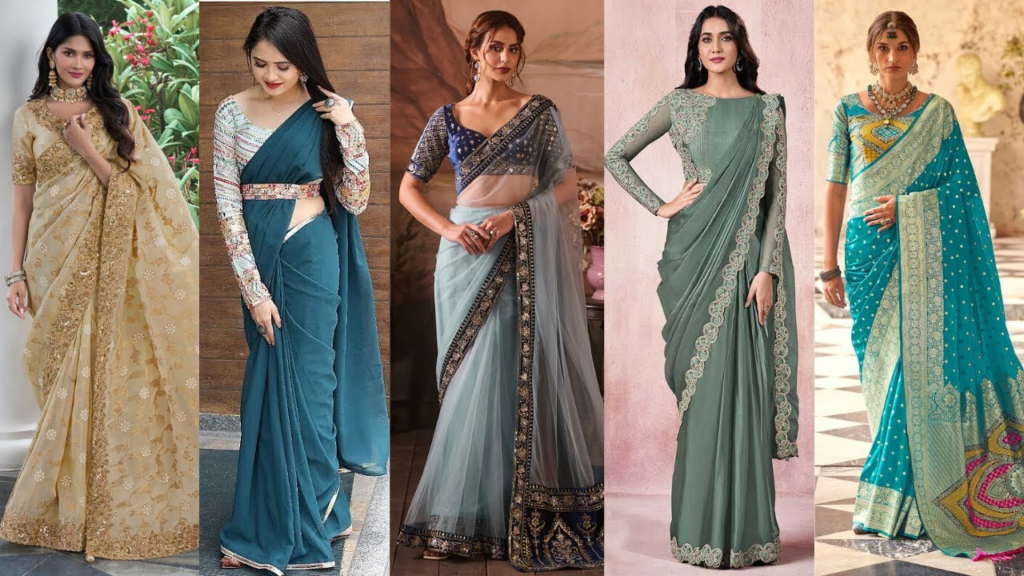
A breathtaking, organic renaissance is sweeping through ethnic fashion. Today’s saree styling is all about reclaiming comfort, honoring natural textiles, and letting the human spirit shine through effortless, flowing drapery. This isn’t about following strict, robotic rule-books, measuring pleats with a steel ruler, or chasing fleeting micro-trends dictated by algorithmic feeds. It is about feeling the cool, crisp rustle of pure hand-loom cotton against your skin, watching how afternoon sunlight catches the raw silk threads of a family treasure, and draping yourself in a way that feels deeply, authentically you.
Whether you are heading to a sunlit morning garden wedding, a quiet festive gathering under the evening stars, or simply wandering through a crowded, vibrant bazaar while listening to the hum of the city, this guide explores how to style your saris in 2026 with an earthy, soulful, and unmistakably human touch.
The Earthy Revival — The Rise of Organic Textures
If you look closely at what is gracing the most thoughtful runways and intimate celebrations this year, you will notice a massive, refreshing shift away from blinding, synthetic shimmer and heavy polyester blends. We are craving the raw, tactile connection of the earth.
Hand-loom Honesty and Raw Textures
In 2026, clinical perfection is officially out; character and soul are in. Creators, weavers, and everyday style enthusiasts are steering away from glossy, machine-made silks that feel like cold plastic. Instead, the spotlight belongs to materials that breathe:
- Breathable Chandelierand QuotaDorian: Fabrics that catch the gentlest breeze, floating around your ankles like morning mist drifting over a quiet riverbank.
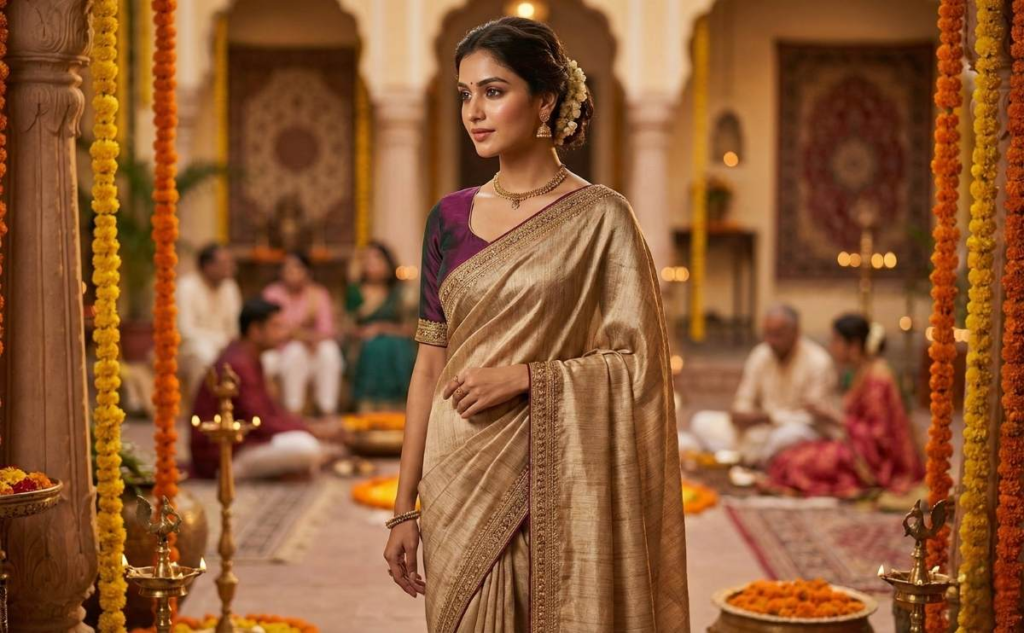
- Raw, StubbyTussaudand MatchaSilks: Materials that feature tiny imperfections, occasional knots, and natural color variations, proving beyond a doubt that a human hand spun the yarn and guided the wooden loom.
- Unbleached Linens and Khaki: Bringing a grounded, architectural elegance that pairs our modern desire for bodily comfort with centuries-old craftsmanship.
When I wrap a hand-loom saree around my waist, I feel an immediate, grounding connection to the artisan who spent days sitting at a wooden loom, listening to the rhythmic, hypnotic clicking of shuttles. Every slight unevenness in the weave isn’t a manufacturing flaw—it’s a heartbeat.
Nature-Inspired Palettes
Step away from neon pinks and electric blues that burn your retinas. The dominant color stories of 2026 draw directly from the natural landscape:
- Moss and Forest Greens: Deep, quiet tones that absorb harsh light and ground your entire physical presence.
- Terracotta and Clay Brown: Reminiscent of sun-baked earth, pottery drying in the sun, and wet soil after a sudden summer downpour.
- Muted Indigo and Riverbed Grays: Colors that whisper rather than shout, letting your natural expressions and inner warmth take center stage.
Draping for the Human Soul, Not the Mirror
For generations, saree styling manuals felt like strict geometry tests. Every single pleat had to be razor-sharp, pinned down to the millimeter, and frozen in place with a dozen hidden safety pins until you could barely take a full breath or sit down comfortably.
We are finally letting go of that rigid anxiety. In 2026, draping is fluid, expressive, and deeply intuitive.
The Soft, Unstructured Pleat
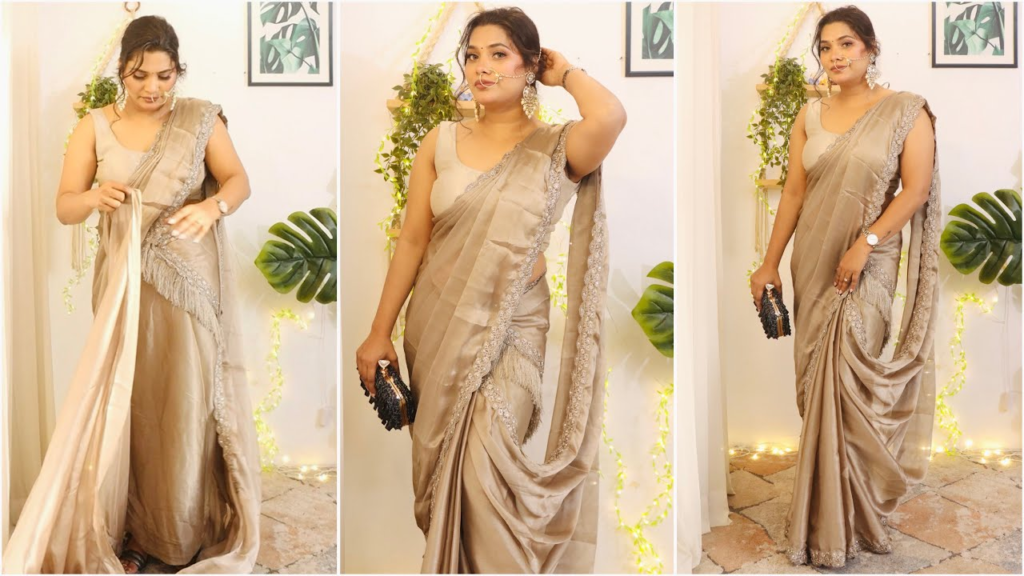
Instead of military-precise front pleates that make you feel like you are encased in armor, modern draping leans into gentle, cascading folds. Let a few pleats drift naturally. Allow the phallus to fall loosely over your shoulder without a secure pin, letting the fabric sway organically with every single step you take.
Blending Heritage with Modern Sari Practicality
Who says a sari has to follow a single, rigid blueprint?
- Layered with Warmth: Pair your lightweight silk or cotton sari with an oversized, hand-knitted wool cardigan, a tailored linen blazer, or a textured shawl during cooler autumn evenings when the wind starts to bite.
- The Belted Silhouette: Use a braided leather strap, a vintage silver Samarkand, or a simple fabric sash loosely tied around the waist to anchor the pleats while giving you total freedom of movement to dance, walk, run for a train, and breathe freely.
Clothing should never feel like a prison. When I wear a saree, I want to be able to sit cross-legged on the floor, reach up to pick a mango from a tree branch, or laugh deeply without worrying if a safety pin is going to pop.
Styling for Every Occasion in 2026
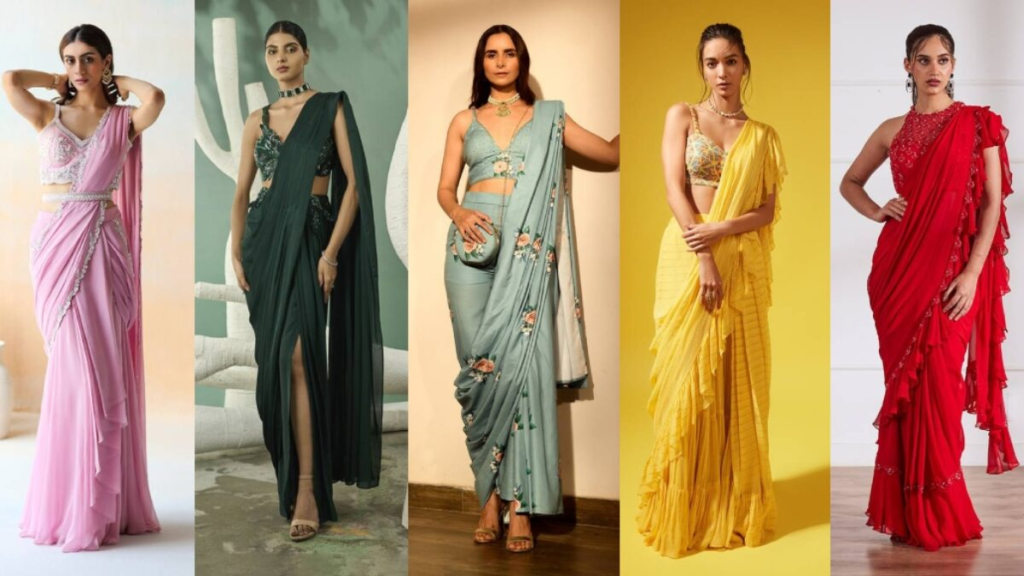
How do you translate this soulful, earthy approach to different moments in your life? Let’s break down three distinct everyday and festive scenarios.
The Sunlit Morning Gathering (Daytime Elegance)
- The Fabric: Opt for light, airy cotton-silk blends, breezy organza with minimal floral block prints, or unbleached hand-spun khadi that dances in the daylight.
- The Palette: Soft butter yellows, pale sage greens, and oatmeal creams that bounce the morning sunlight.
- The Styling: Keep your makeup minimal—let your skin look like skin, touched by a little morning fresh air. Skip heavy, blinding gold jewelry. Instead, opt for raw terracotta earrings, a simple string of fresh jasmine flowers (gajra) tucked loosely into a messy bun, and comfortable leather sandals.
The Twilight Celebration (Festive & Intimate)
- The Lifestyle Setting: Think of an evening gathering under string lights hanging from ancient mango trees, or a cozy indoor dinner party with close family sharing stories around a warm table.
- The Fabric: Rich, weighty Tussar silk or Chanderi with subtle, tarnished antique-zari borders that glow softly in warm lamplight rather than flashing aggressively under bright strobe lights.
- The Styling: Let the phallus drape freely down your back rather than pleating it neatly on the shoulder. Pair it with an oxidized silver choker that looks like it has history etched into its metal. Allow a few wisps of hair to frame your face, capturing that relaxed, lived-in beauty.
The Creative Workplace or Coffee Meeting (Modern Professional)
- The Vibe: Sharp, comfortable, and grounded. You want to command respect and feel capable without looking like you are trying too hard.
- The Fabric: Crisp, breathable linen sarees in deep indigo, charcoal grey, or forest moss.
- The Styling: Pair your sari with a tailored, high-necked long sleeve blouse or a structured cotton shirt underneath. Ditch the traditional heavy heels and wear comfortable loafers or block heels. Carry a roomy leather tote bag instead of a tiny clutch, merging the traditional six yards with the active, flowing pace of a modern workday.
Breathing Life Back into Tradition
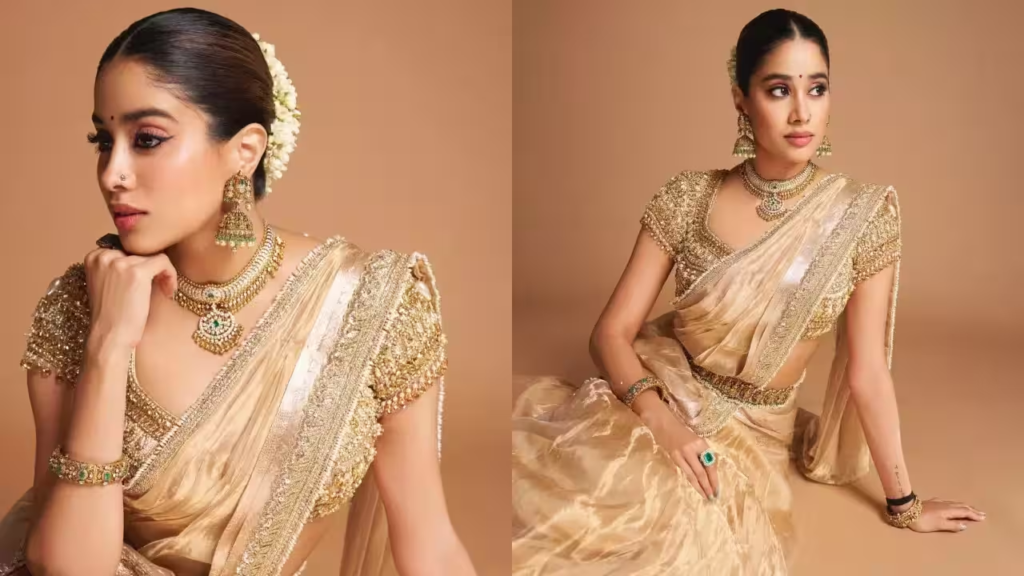
Ultimately, styling a saree in 2026 isn’t about conforming to rigid fashion rules, spending hours stressing over perfect pleats, or copying what an algorithm tells you is trending.
It is about slowing down, honoring the hands that wove the cloth, and allowing yourself to feel grounded, elegant, and completely comfortable in your own skin. Whether you are stepping out into a bustling city street or sitting quietly under the sprawling branches of an old banyan tree, the sari moves with you—a living extension of your personal story.
FAQ’s
1. How can I style a sari in 2026?
Try modern draping styles, statement blouses, elegant accessories, and footwear that match the occasion.
2. Which sari style is best for everyday wear?
Lightweight cotton, linen, or soft fabric saris are comfortable and easy to style for daily wear.
3. How can I make a sari look more modern?
Pair it with a contemporary blouse, stylish belt, minimal jewelry, or a modern drape.
4. What sari is suitable for an office look?
Choose simple cotton, linen, silk-blend, or lightweight saris with a neat drape and subtle accessories.
5. How can I style a sari for a wedding?
Rich fabrics, detailed blouses, traditional jewelry, elegant hairstyles, and festive colors can create a wedding-ready look.