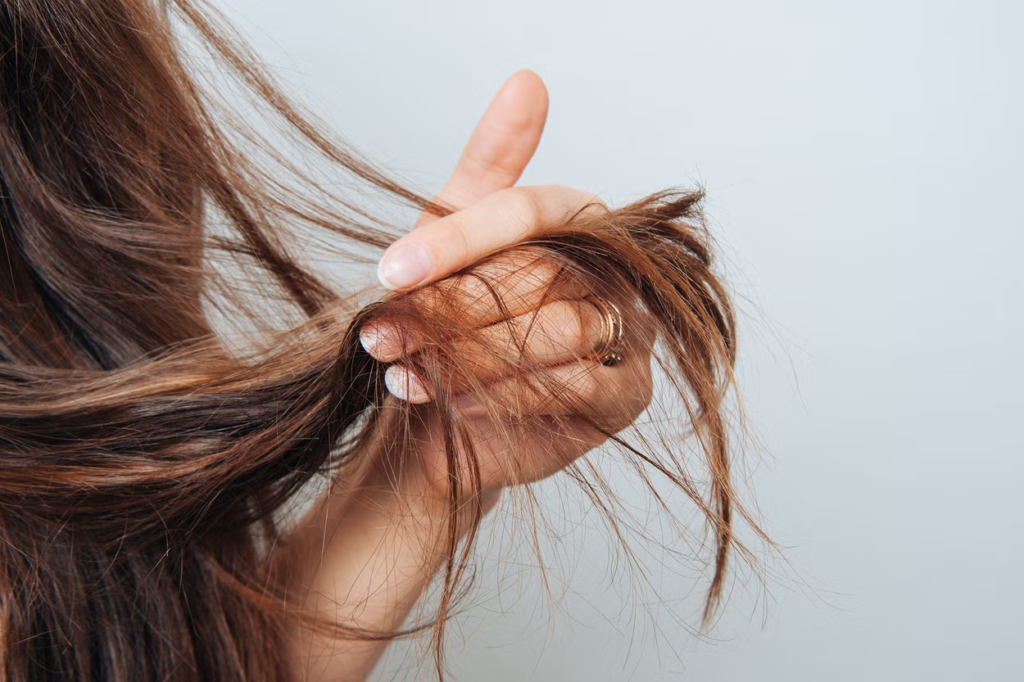
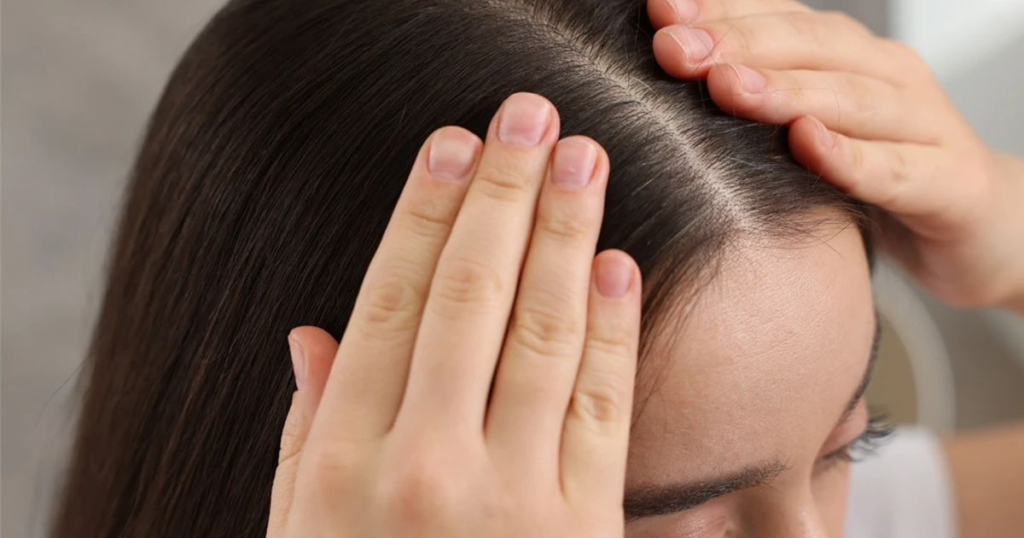
Remember standing in front of the bathroom mirror on a chaotic Tuesday morning, rushing to get out the door, when you suddenly catch a glimpse of your shoulders? There they are. Those annoying, stubborn little white flakes, sitting squarely on your dark shirt or jacket. Instantly, your stomach drops. You brush them away with a quick, frustrated flick of your hand, hoping nobody noticed, while that lingering sense of self-consciousness follows you out the door for the rest of the day.
We have all been there. Honestly, it is one of those deeply annoying, confidence-dabbing little things that life throws at us when we least expect it.
Here we are in 2026, living in a hyper-connected world filled with artificial intelligence, endless notification pings, fast-paced smart tech, and back-to-back virtual calendars. Yet, despite how advanced our gadgets have become, our physical bodies haven’t changed a bit. Our scalps still react the exact same way to modern stress, erratic weather changes, environmental dust, and chemical-heavy products. If your scalp has been feeling tight, intensely itchy, or prone to “snowing” on your clothes lately, take a deep breath. Drop your shoulders away from your ears. You are far from alone, and fixing it doesn’t require a chemistry degree or an expensive trip to a luxury spa.
Let’s skip the robotic jargon, pour a warm cup of coffee or tea, and talk human-to-human about what is really going on up there and how we can gently fix it.
Why Your Scalp Is Frustrated With You Right Now

Before you run out and buy the most expensive, heavily marketed shampoo off the shelf, let’s pause for a second and look at how our scalps actually work. We tend to treat our hair like a fiber rug and our scalp like an afterthought, but the skin on your head is living, breathing tissue—just like the skin on your face.
Think about everything your scalp puts up with in a single week:
- The Modern Stress Loop: When work deadlines pile up, personal worries mount, or life feels overwhelming, your brain sends out a stress flare. Your body pumps out cortisol and adrenaline, which completely throws your scalp’s natural oil production off balance. Have you ever noticed your skin acting up right before a major life event? That’s your nervous system talking directly to your skin cells.
- The Invisible Urban Grime: Between city pollution, microscopic dust, humidity spikes, and indoor air-conditioning, our heads face a constant barrage of environmental buildup. It mixes with your natural oils, sealing off your skin and suffocating your hair follicles.
- The Over-Washing Trap: In our quest for absolute cleanliness, many of us use harsh, stripping shampoos that wipe out the friendly, protective microorganisms living naturally on our skin. When you strip away every trace of oil, your scalp panics, overcompensates by producing even more grease, and the frustrating cycle repeats itself.
When this delicate ecosystem breaks down, a naturally occurring, harmless yeast-like fungus called Malassezia starts feeding a bit too enthusiastically on the excess oil. This triggers microscopic irritation, inflammation, and rapid skin cell shedding. That is the biological root of dandruff. Realizing this takes away the personal guilt—it has nothing to do with poor hygiene. It is simply your biology asking for a little patience and kindness.
Bringing Earth and Nature Back Into Your Routine
As we navigate through 2026, a collective realization is happening worldwide: we are tired of harsh synthetic chemicals that promise the moon and leave our skin feeling worse. People are steering back toward simple, earthy, time-tested remedies that work in harmony with our biology rather than fighting against it.
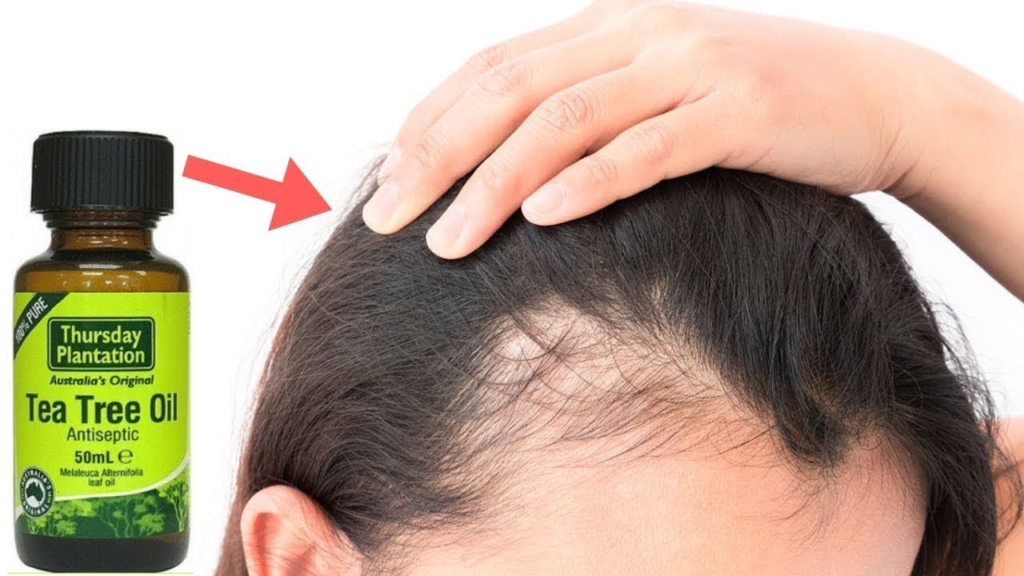
Tea Tree Oil: The Green Guardian
Imagine walking through a damp, peaceful pine forest right after a crisp morning rain. That sharp, earthy, deeply medicinal scent is essentially what tea tree oil brings to your hair routine. It possesses powerful natural antimicrobial and soothing properties that help keep that overzealous yeast in check.
- How to use it: Never apply pure essential oil straight to your skin, as it can sting. Instead, take your regular palmful of gentle shampoo, add just two or three drops of tea tree oil, mix it in your hands, and massage it into your scalp. Let it sit for two minutes so the botanical compounds can do their work before rinsing with lukewarm water. It feels wonderfully tingly and instantly refreshing.
Aloe Vera: The Desert Oasis for Dry Skin
Have you ever snapped open a fresh, juicy aloe vera leaf straight from a garden plant? That thick, translucent gel inside is a literal lifesaver for irritated, burning skin.
- How to use it: Massaging pure, organic aloe vera gel directly into your roots about fifteen minutes before you step into the shower provides an immediate, cooling relief. It quenches dry skin, calms red patches, and locks in vital moisture without ever weighing your hair down or clogging your pores.
Apple Cider Vinegar: Resetting the Natural Rhythm
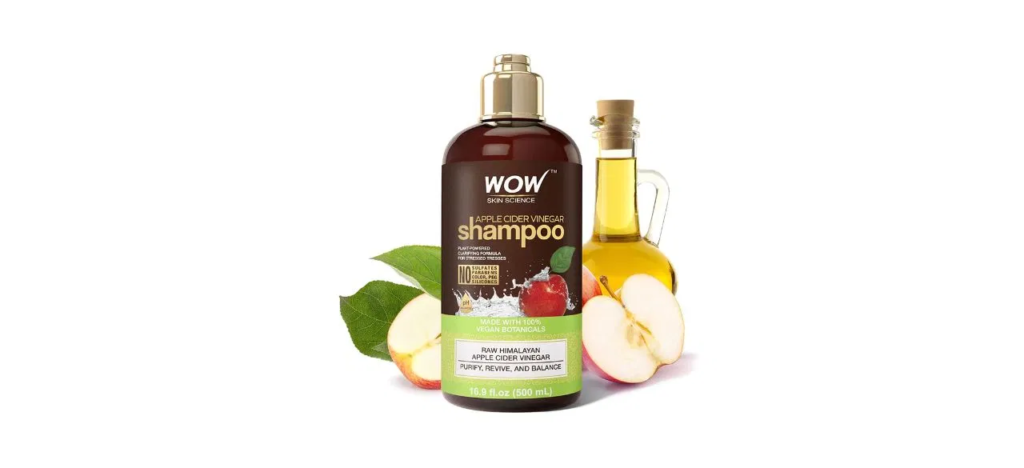
It sounds like a quirky kitchen trick, but an apple cider vinegar rinse is an old-time favorite that deserves a permanent spot in your bathroom. Modern shampoos and hard city tap water can disrupt your skin’s natural acidic shield, leading to flaking.
- How to use it: Mix equal parts raw, unfiltered apple cider vinegar and water in a spray bottle. After shampooing, spritz it lightly through your hair, let it sit for sixty seconds, and rinse it out. It gently resets your scalp’s pH balance, washes away stubborn product buildup, and lets your skin finally breathe.
Mindful Scalp Care: Small Daily Habits That Make All the Difference
Fixing your scalp isn’t just about what you apply during your wash routine; it is equally about how you treat your head throughout the rest of your day. Let’s look at a few small mental and physical shifts that yield massive results.
The Art of the Mindful Scalp Massage
When your head feels itchy, the absolute biggest temptation is to dig your fingernails in and scratch furiously. It feels good for three seconds, but those sharp nails create microscopic tears in your delicate skin, inviting bacteria and making inflammation much worse.
- The human way: Stop scratching with your nails. Instead, use the soft, fleshy pads of your fingers. Close your eyes, take a slow breath, and massage your scalp in small, deliberate circles. Feel the warmth of the water. Let it melt away not just the flakes, but the physical and mental tension of your entire day. This simple practice boosts blood circulation straight to your hair follicles, encouraging healthier, stronger growth.
Ditching the Scalp Burn
We all love a sleek, fast blowout to look polished for the day. However, blasting your head with direct, scorching heat from a hair dryer fries the delicate lipid barrier on your scalp, drying it out into a flaky mess.
- The better approach: Whenever you have the time, let your hair air-dry naturally under a gentle breeze. Let nature do the work. If you must use a dryer, switch it to a cool or warm setting and keep it moving continuously rather than baking one spot.
Nourishing From Within
It sounds like a cliché because it is fundamentally true: drinking enough fresh water every single day keeps every inch of your skin—including the hidden skin beneath your hair—plump, resilient, and far less prone to dry flaking. Combine that with foods rich in omega-3 fatty acids, zinc, and wholesome nutrients, and you are feeding your hair from the root up.
Letting Go of Perfection and Embracing the Process
The biggest mental trap we fall into when dealing with scalp issues is demanding instant perfection. You buy a new natural product, use it once, look in the mirror the next morning, and feel utterly defeated when a single flake is still sitting there. You blame yourself, stress out, and that exact stress triggers more irritation. It is a exhausting cycle.
We need to reframe how we look at self-care. Healing a scalp is a slow, grounding process—much like tending to a garden. You cannot plant a seed in the morning and demand a fully bloomed flower by evening. You have to prepare the soil, water it consistently, protect it from harsh elements, and patiently watch it transform over weeks.
Give yourself permission to be human. Some weeks your scalp will feel fantastic; other weeks—when the weather turns dry or work gets crazy—a little itch might creep back in. That is completely normal. It doesn’t mean you are failing; it just means you are alive.
By meeting your body’s quirks with patience, curiosity, and gentle natural care rather than frustration, you transform a daily annoyance into a quiet, peaceful ritual of self-love.
FAQ’s
1. What causes dandruff?
Dandruff can be linked to scalp oiliness, dry skin, irritation, and an overgrowth of certain scalp microorganisms.
2. How often should I wash my hair if I have dandruff?
Regular washing can help remove excess oil and flakes, but the ideal frequency depends on your scalp and hair type.
3. Can a healthy scalp reduce dandruff?
Good scalp-care habits can help manage buildup and irritation and support a healthier scalp environment.
4. Are anti-dandruff shampoos effective?
Anti-dandruff shampoos containing appropriate active ingredients can help control dandruff when used as directed.
5. Should I oil my scalp if I have dandruff?
Heavy scalp oiling may not suit everyone with dandruff, particularly when excess oil worsens flaking or irritation.