There are some beauty habits that never really disappear. Hair oiling is one of them.
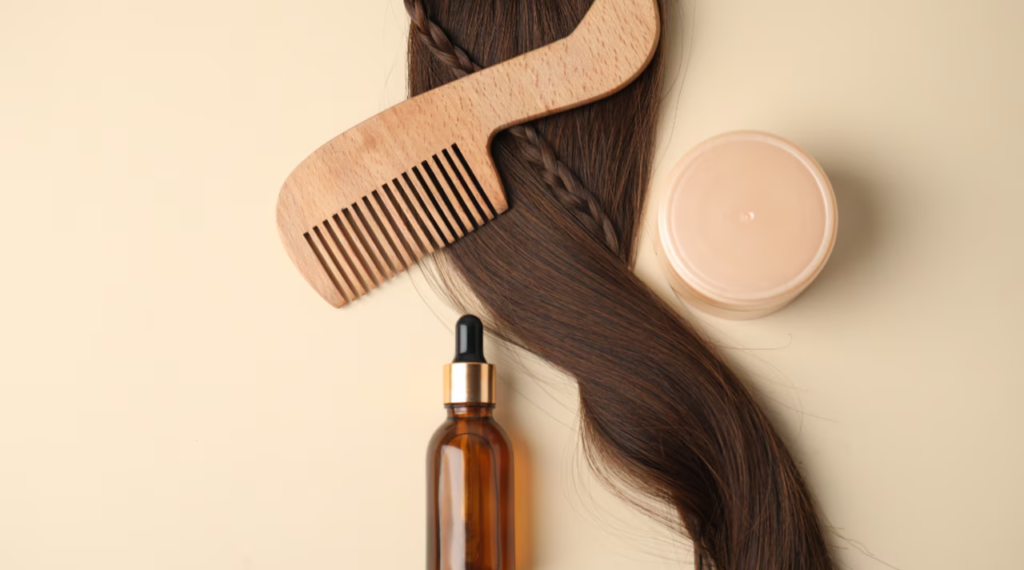
Even today, when there is a different shampoo for every hair concern and social media is full of new serums, masks, and treatments, many people still keep a bottle of oil somewhere at home. Sometimes it is coconut oil. Sometimes almond oil. Sometimes it is a blend that has been passed down in the family.
And honestly, there is something comforting about it.
For many people, hair oiling brings back a very ordinary memory: sitting quietly while someone gently rubbed oil into their hair before a wash. There was no complicated routine. Nobody was counting how many drops were being used or checking whether the oil had been left on for exactly two hours. It was simply part of taking care of your hair.
Our lives have changed since then. We deal with pollution, heat, styling tools, hair color, stressful schedules, and long hours in air-conditioned spaces. Our hair experiences all of it.
So, in 2026, hair oiling does not have to mean blindly following an old routine. It makes more sense to understand your own hair and use oil in a way that fits your needs.
Why Hair Oiling Still Feels Different From Other Hair Treatments
Maybe the biggest advantage of hair oiling is how uncomplicated it feels.
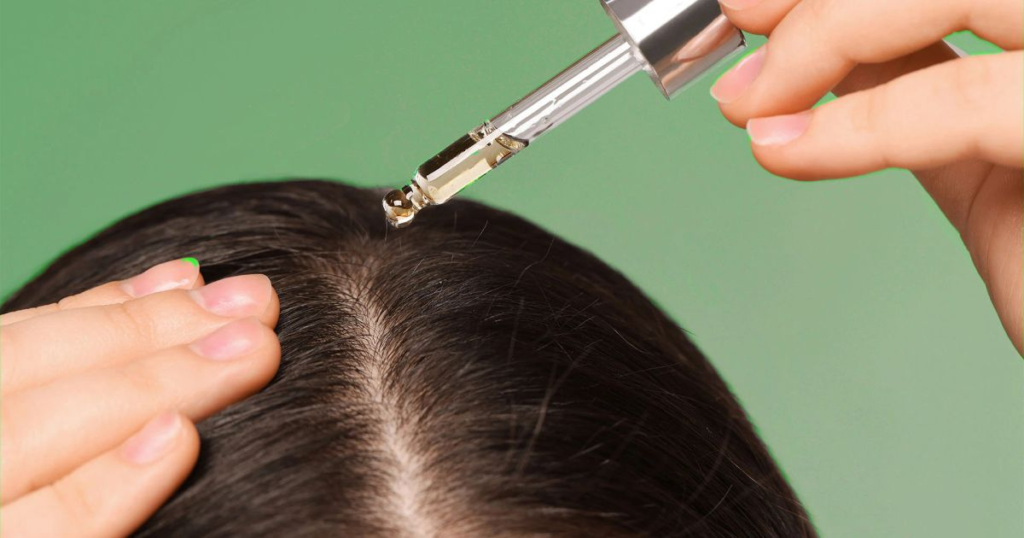
You do not need a salon appointment. You do not need a shelf full of products. You simply take a little oil, spend a few minutes with your hair, and wash it out later.
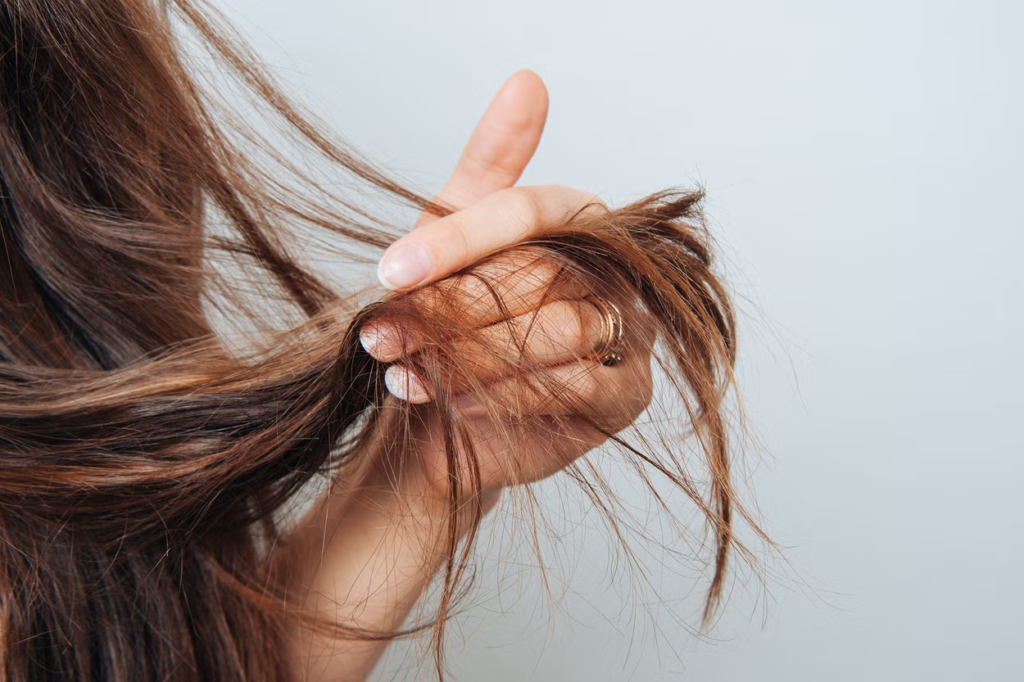
For dry hair, this can make a noticeable difference in how the lengths feel. Hair that was rough or difficult to comb may feel softer and easier to handle after washing.
There is also the human side of the routine.
When you massage your scalp gently, you are forced to slow down for a few minutes. You are not scrolling through your phone or rushing from one task to another. It becomes a small pause in the middle of a busy week.
That does not mean oil is some magical cure. It simply means hair care can sometimes be useful and comforting at the same time.
Choosing Hair Oil Is More Personal Than People Think
If you search for the “best hair oil,” you will find hundreds of answers.
One person will swear by coconut oil. Another will recommend castor oil. Someone else will tell you that argan oil completely changed their hair.
The funny thing is that all of them can be telling the truth about their own experience.
Hair is personal.
The oil that leaves your friend’s hair soft may leave yours heavy. The product that works beautifully on thick, curly hair may be too much for fine, straight hair.
Instead of choosing an oil because it is popular, notice how your hair behaves.
Does it become dry after washing? Does your scalp become oily quickly? Are the ends rough? Does your hair get weighed down easily?
Those answers are much more useful than a trending video.
Coconut Oil
Coconut oil remains a classic choice, particularly in Indian hair-care routines. It is simple, affordable, and familiar.
For dry or rough hair, a small amount used before shampooing can make the lengths feel softer and easier to manage.
The important part is not to use half the bottle. A little can go a surprisingly long way.
Almond Oil
Almond oil is lighter and can be a comfortable choice for people who dislike heavy oils.
It can work nicely on dry lengths and ends, especially when the goal is simply to make the hair feel smoother before washing.
Castor Oil
Castor oil is thick and sticky, so it needs a little more patience.
Rather than applying a large amount directly to the scalp, many people find it easier to mix a small quantity with a lighter oil. This makes it easier to spread and wash out.
Argan and Jojoba Oil
Argan and jojoba oils are popular with people who prefer lighter-feeling products. They can be particularly useful when dry ends or frizz are the main concerns.
The goal here is not to make the hair oily. It is to give dry areas a little extra care before washing.
What Hair Oiling Can Actually Do
Hair oiling has been surrounded by some very big promises over the years.
Some claims make it sound as though the right oil can solve almost every hair problem. Realistically, the benefits are much simpler—and that does not make them unimportant.
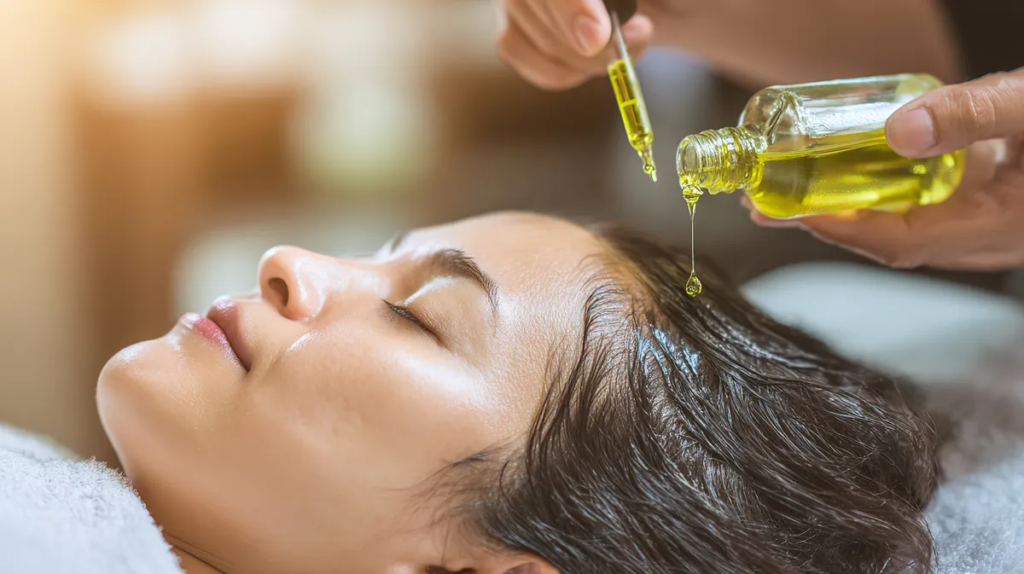
Oil can help dry hair feel softer. It can make rough lengths easier to manage and may make brushing less frustrating.
That matters because when hair is difficult to handle, we often pull at it without realizing it. Gentler, more manageable hair can make everyday handling easier.
A gentle scalp massage can also make the routine relaxing.
But oil cannot replace every part of hair care. It cannot undo severe chemical damage overnight, cure every scalp condition, or guarantee dramatic hair growth.
Good hair care is usually less exciting than social media makes it sound. It is mostly about doing small things consistently.
How to Oil Your Hair Without Making a Mess
You really do not need a lot of oil.
Start with a small amount. If you have thick or very long hair, you can add more later.
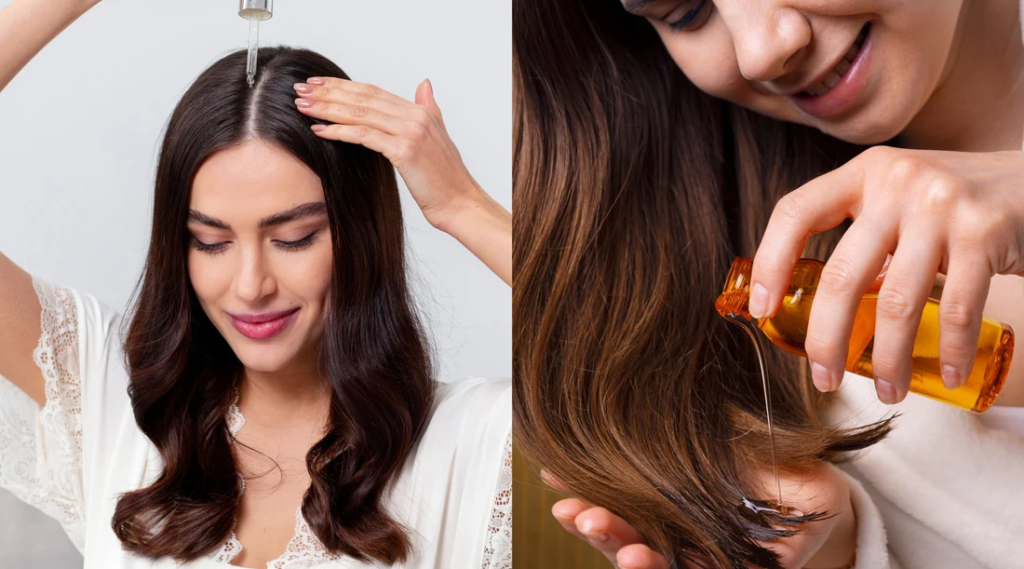
Separate your hair gently into sections and apply the oil using your fingertips. Massage the scalp lightly. There is no need to dig your nails into the skin or rub aggressively.
Once you have finished with the scalp, use the remaining oil on your lengths and ends.
If your ends are especially dry, spend a little more time there.
When you are done, leave the oil for around 30 minutes to two hours before washing. That is enough for a simple pre-wash routine for many people.
And if you prefer shorter treatments, that is completely fine too.
Do You Need to Oil Your Hair Overnight?
Not necessarily.
Overnight oiling is one of those habits that people often treat like a rule. It is not.
If you like applying oil before bed and washing it the next morning, you can do that if your scalp is comfortable.
But if overnight oiling leaves you feeling greasy, itchy, uncomfortable, or simply annoyed when it is time to wash your hair, stop doing it.
A shorter treatment can be perfectly practical.
There is no competition for who can keep oil on their head the longest.
If Your Hair Is Dry, Look Beyond Your Scalp

When someone says their hair is dry Scalp , the first instinct is often to apply more oil to the roots.
But the ends may actually need more attention.
The ends are the oldest part of your hair. They have survived brushing, washing, sunlight, styling, friction, and everything else your hair has experienced.
So, if your ends are rough, concentrate some of the oil there before washing.
After shampooing, use conditioner on the lengths. And think about your everyday habits as well.
Very hot water, frequent straightening, rough towel drying, and aggressive brushing can all make dry hair worse.
Oil can support your routine, but it cannot fix every source of dryness by itself.
What If Your Scalp Is Naturally Oily?
If your scalp gets oily quickly, you may not enjoy heavy oiling.
That does not mean you can never use oil. It simply means you need less.
Try applying a small amount and keeping the treatment relatively short. You can also concentrate on the lengths instead of heavily coating the scalp.
If your hair feels greasy after washing, reduce the amount next time.
Your scalp is giving you feedback. Listen to it.
Hair Oiling for Fine Hair
Fine hair can be tricky because it becomes weighed down easily.
What feels like a normal amount of oil on thick hair may be far too much for fine hair.
Start with a few drops and see what happens after washing. If your hair feels soft without looking flat, you have probably found a better balance.
You may also prefer oiling the lengths rather than applying a lot directly to the roots.
Can Hair Oil Really Help Hair Growth?
This is where expectations need to stay realistic.
Hair growth is influenced by many factors, including genetics, age, hormones, nutrition, health, and the condition of the scalp.
An oil cannot control all of those things.
However, taking care of the hair you already have can still be useful.
If your hair is dry and breaks easily, improving its manageability may help reduce some breakage. When less hair breaks, you may be able to retain more length over time.
That is different from saying that an oil will dramatically speed up your natural hair-growth rate.
It is a smaller claim, but it is also a more realistic one.
Hair Oiling Mistakes You Do Not Really Need to Make
The biggest one is using too much.
If your hair is dripping with oil, you may simply be creating extra work for yourself when it is time to wash.
Another mistake is rubbing the scalp too hard. Gentle massage is enough.
Constantly changing oils is another common habit. You see a new recommendation, buy another bottle, use it twice, and then move on to something else.
Give your routine a little time.
Also be careful with complicated homemade mixtures. Just because something comes from a kitchen ingredient does not mean every scalp will tolerate it.
If a product causes burning, redness, itching, or discomfort, stop using it.
A Hair-Oiling Routine That Works in Real Life
A realistic routine should not feel like another job.
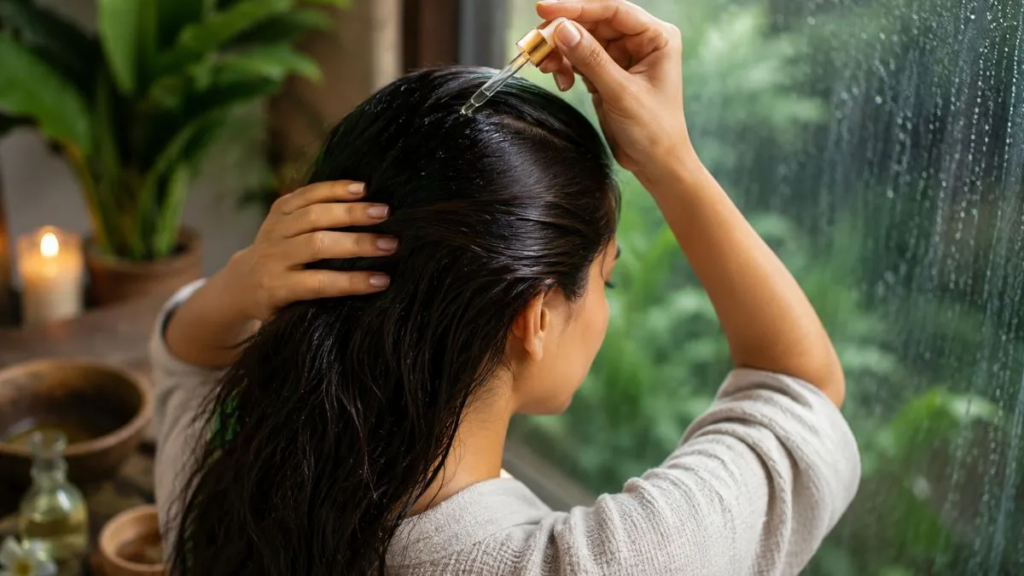
Pick one oil that suits your hair. Apply a small amount before washing and gently massage your scalp. Smooth the remaining oil over the lengths and ends.
Leave it for around 30 minutes to two hours and then wash your hair properly.
Use conditioner afterward if your lengths need it.
Once or twice a week may work for some people. Others may prefer oiling less often.
There is no reason to force yourself into a routine that does not fit your schedule.
If you are busy, even a short pre-wash treatment is better than creating such a complicated routine that you eventually stop doing it.
FAQ’s
1. How often should I oil my hair?
For many people, oiling once or twice a week is enough, depending on their hair and scalp type.
2. How long should I leave hair oil on?
Leaving oil on for around 30 minutes to two hours is a practical option for most people.
3. Is overnight hair oiling necessary?
No, overnight oiling is not necessary; a shorter pre-wash treatment can also work well.
4. Which oil is best for dry hair?
Coconut, almond, argan, and other suitable nourishing oils can be considered for dry hair.
5. Can hair oil help with hair growth?
Hair oil can support hair care and reduce dryness or breakage, but it cannot guarantee faster hair growth.