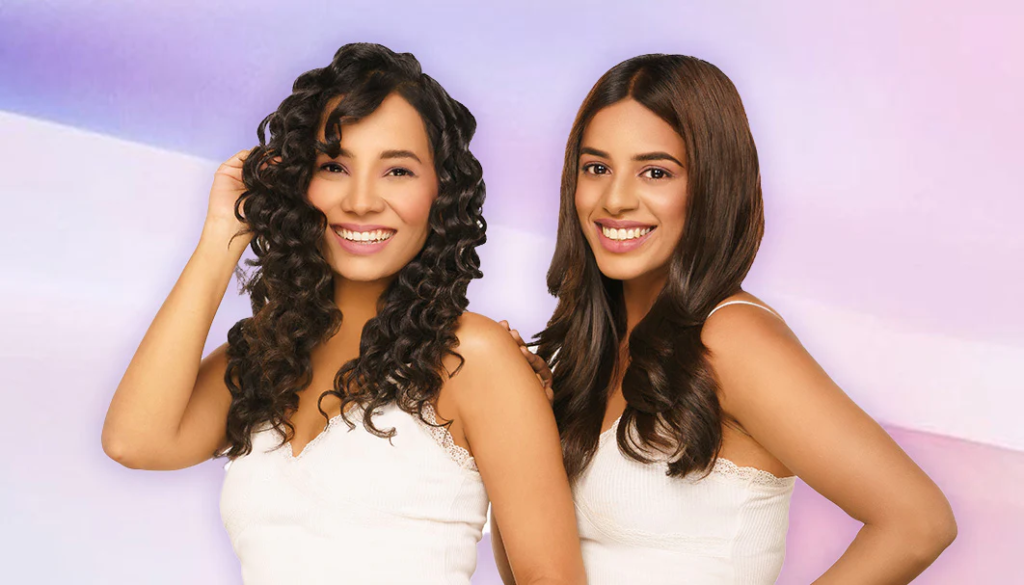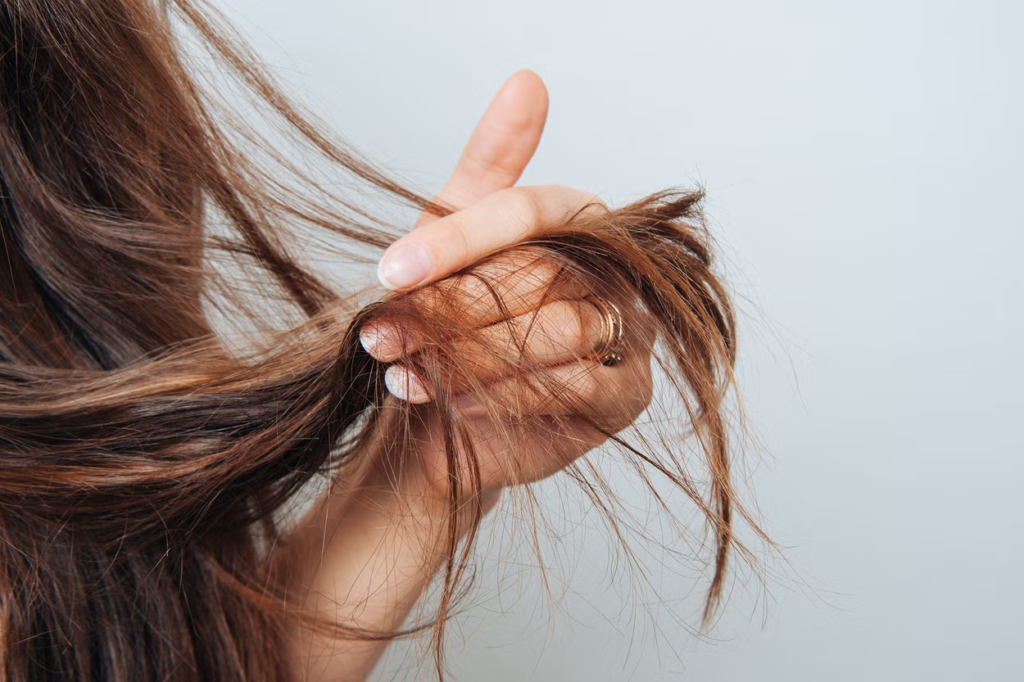
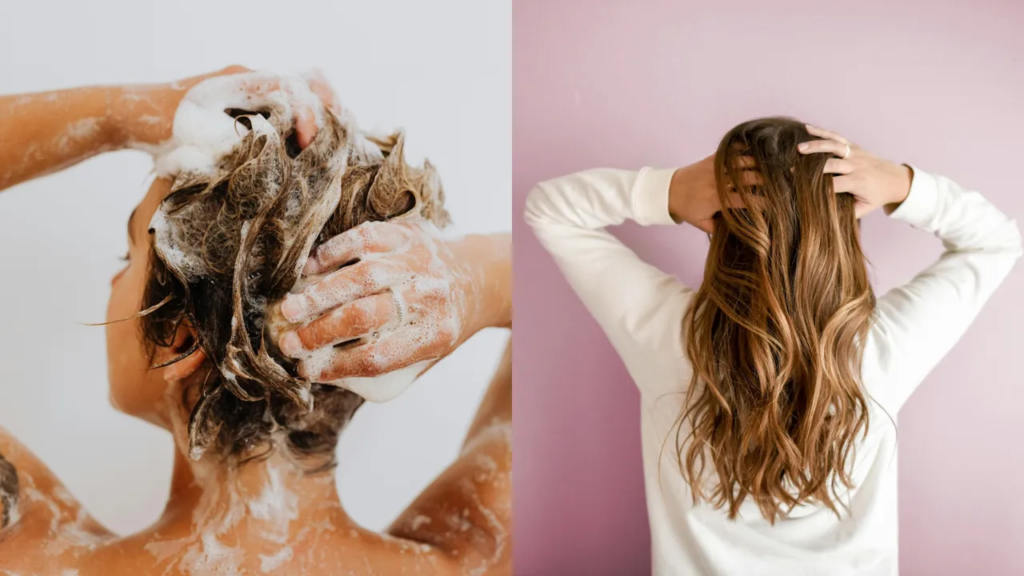
Let’s be completely honest with each other for a second. Have you ever stood in the hair care aisle, staring at a towering wall of plastic bottles, feeling a sudden, overwhelming wave of decision fatigue? I know I have. One bottle promises hair so silky it will slide right through your fingers like water. Another swears up and down it will rescue your poor, heat-damaged strands from total ruin. There are specialized formulas for dry hair, oily hair, fine hair, thick hair, curly hair, color-treated hair, and every subtle variation in between.
And then, like a second wave, you remember you need a conditioner, too.
It is so tempting to just grab whatever bottle catches your eye because the packaging looks aesthetic, or because a popular creator online swore it completely transformed their locks. But here is the raw truth: hair is profoundly, uniquely personal. What leaves one person’s hair feeling like soft cashmere can turn someone else’s hair into a flat, greasy mess or a dry haystack.
That is why trying to find your holy-grail shampoo and conditioner should always start with your own head, not with someone else’s viral internet routine. Your scalp, your natural texture, your daily lifestyle, your washing habits, and even the humid or dry breeze blowing outside your window dictate what actually works. Once you start paying attention to those quiet, everyday details, choosing hair products stops feeling like a confusing guessing game and starts feeling like self-care.
Why Shampoo and Conditioner Are Not Playing the Same Game
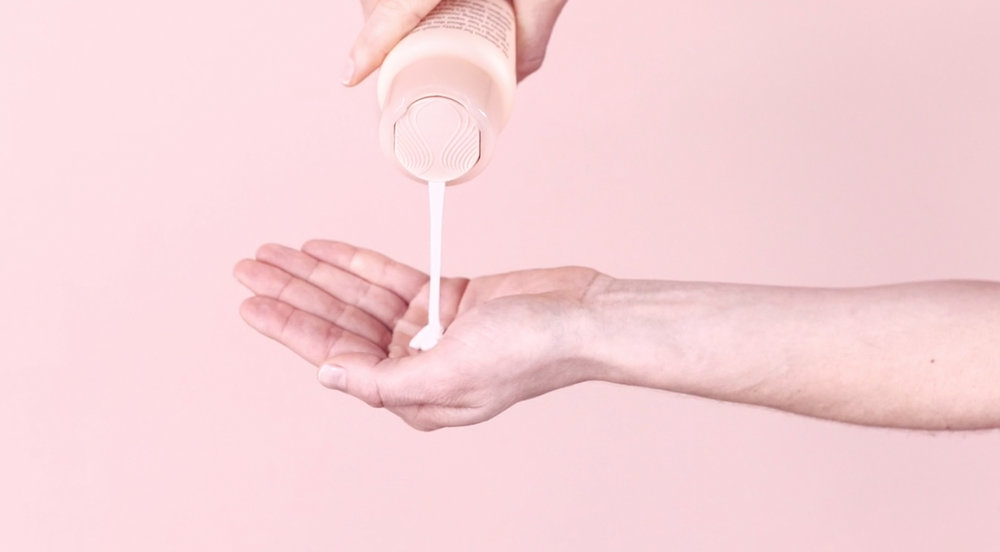
People often treat shampoo and conditioner like a packaged deal where both products do the exact same thing, but nothing could be further from the truth. They have entirely different, specialized jobs.
Shampoo is fundamentally designed for your scalp. Its main mission is to clear away excess natural oil, sweat, environmental dirt, and stubborn product buildup. Conditioner, on the other hand, is meant almost exclusively for the mid-lengths and ends of your hair. It swoops in to help those older, more weathered strands feel softer, smoother, and infinitely easier to detangle.
Imagine washing your hair without ever using a conditioner. Your scalp might feel clean, but your ends can easily feel like rough straw, snagging on every brush stroke. Now imagine the opposite: slathering a rich, heavy, butter-like conditioner directly onto an oily scalp. Sure, your ends might feel nice, but your roots are going to look greasy and weighed down before the day is even half over.
Finding the right balance is the real magic trick of hair care. And the best part? You do not need a fortune to get it right. A humble, simple duo that genuinely suits your biology will always outperform a bathroom shelf crowded with expensive bottles you rarely touch.
Stop Looking at Labels: Look in Your Bathroom Mirror First
The absolute best place to begin your hair care journey is not the brightly lit store aisle. It is your own bathroom mirror on a completely ordinary day.
Take a quiet moment to observe how your hair actually behaves when you aren’t trying to force it into a style. Does your scalp turn greasy and shiny by late afternoon? Do your ends feel crisp and dry to the touch? Does your hair look fine, flat, and lifeless right after drying, or does it instantly puff up the second you walk out into humid air? Do you spend ten frustrating minutes wrestling with tangles after every shower?
These everyday moments are whispering clues. You might even discover that your roots and your ends have completely different personalities. Your roots might throw a mini oil slick by day two, while your ends are crying out for moisture. In that scenario, treating your entire head as if it shares a single problem is a recipe for frustration.
Understanding Your Natural Hair Texture
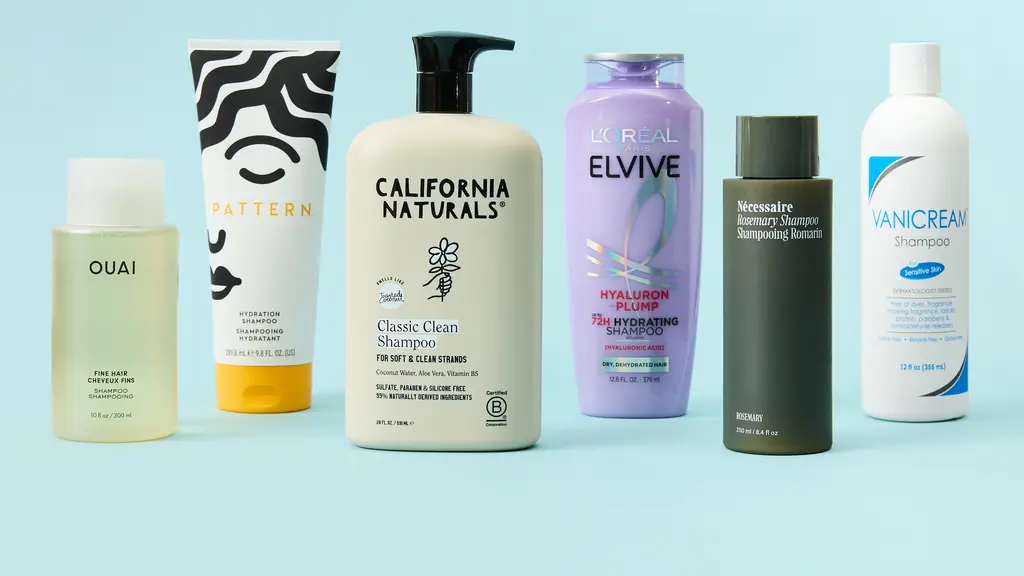
There is zero need to force yourself into a rigid category. Hair often lives somewhere in the gray area between types, and it naturally evolves over time as we age, move, or change our habits. Still, understanding the basics helps clear the fog:
- Straight Hair: Straight strands tend to get oily faster because your natural scalp oils can slide smoothly down the shaft without any obstacles in their way. If your roots look greasy by dawn, a lightweight, clarifying shampoo is your friend. You can still condition, but keeping that product strictly focused on the lower half of your hair keeps your volume intact.
- Wavy Hair: Waves have a gorgeous, effortless texture, but they can be wonderfully unpredictable. One morning they look like soft ocean ripples; the next, they look like a frizzy cloud. A gentle shampoo and a balanced, lightweight conditioner help keep waves comfortable without crushing their natural movement.
- Curly Hair: Because curls twist and turn, your natural scalp oils struggle to travel all the way down to the ends. This is why curls often crave extra moisture and slip. Gentle, hydrating shampoos and slippery detangling conditioners are life-savers here. And how you handle them after the wash matters—rough towel-drying is the arch-nemesis of a defined curl pattern.
- Fine Hair: Fine hair is delicate and lovely, but it surrenders to heavy products instantly. A thick conditioner will flatten it in a heartbeat. That doesn’t mean skipping conditioner altogether; it just means opting for a featherlight formula and applying a tiny amount strictly to the ends.
- Thick and Coarse Hair: Thick hair takes time, water, and patience. If your strands feel coarse or knot easily, a richer, more nourishing conditioner can transform your wash day. Focus it where it’s needed most—the mid-lengths and ends—and let your hair drink it in.
The Art of Cleansing: Scalps, Dryness, and Sensitivity
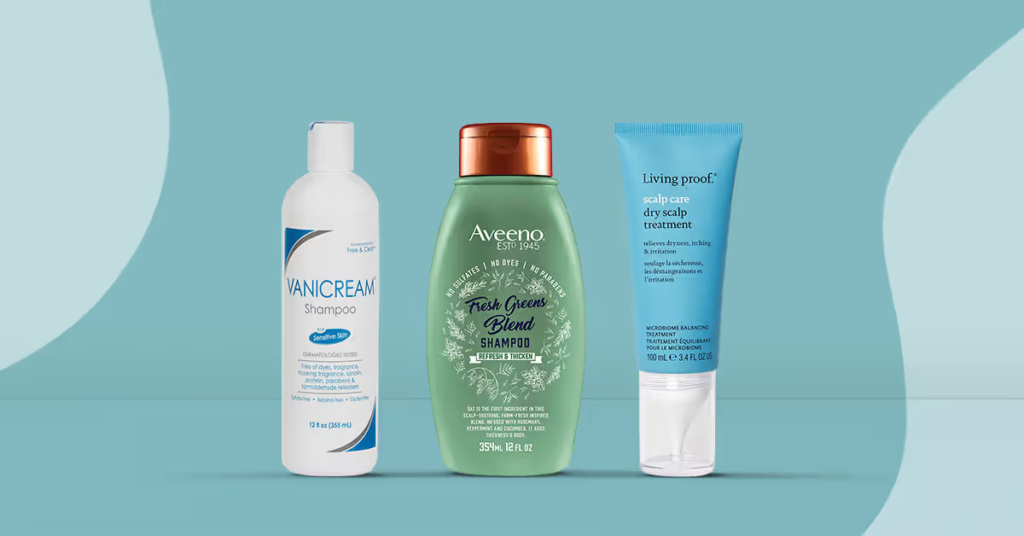
An oily scalp can make you feel trapped in a daily washing cycle. You wash in the morning, and by the next day, your roots are gleaming. If that sounds familiar, look for a balancing shampoo designed for oily or combination scalps. But be careful not to swing too far toward the extreme. If a shampoo cleans so aggressively that your skin feels tight and stripped, your scalp will often panic and produce even more oil to compensate. The goal is clean and comfortable, not squeaky.
On the flip side, dry hair demands a softer touch. If your hair feels dull and rough after every wash, look for a moisturizing formula meant for dry or damaged hair. And remember the golden rule: shampoo is for your scalp. You don’t need to violently scrub your ends every single time; let the suds naturally rinse down the lengths as the water flows.
If your scalp frequently feels irritated, itchy, or tender, simplicity is your best medicine. Strip your routine down to a gentle, fragrance-free cleanser and watch how your skin responds. (And remember, if you experience stubborn flaking, persistent pain, or severe redness, a chat with a dermatologist is always wiser than guessing with store-bought bottles.)
Little Habits That Make a Massive Difference
Sometimes we spend months blaming our shampoo when the real culprit is our daily routine.
Take water temperature, for instance. Stepping into a scalpel-hot shower feels incredible on a cold morning, but excessively hot water can strip your scalp and leave your hair feeling parched. A comfortably warm temperature is much kinder.
Next, look at how you dry your hair. Twisting, wringing, and aggressively rubbing wet hair with a standard terrycloth towel creates brutal friction, snapping delicate strands and causing endless frizz. Try gently squeezing the excess water out with an old cotton t-shirt or a soft microfiber towel instead.
Finally, resist the urge to change everything at once. If you swap out your shampoo, conditioner, hair mask, serum, and styling cream all on a Tuesday afternoon, you will never figure out which product is actually helping or hurting your hair. Introduce changes slowly, like a quiet experiment.
Your Hair Routine Can Change With the Seasons
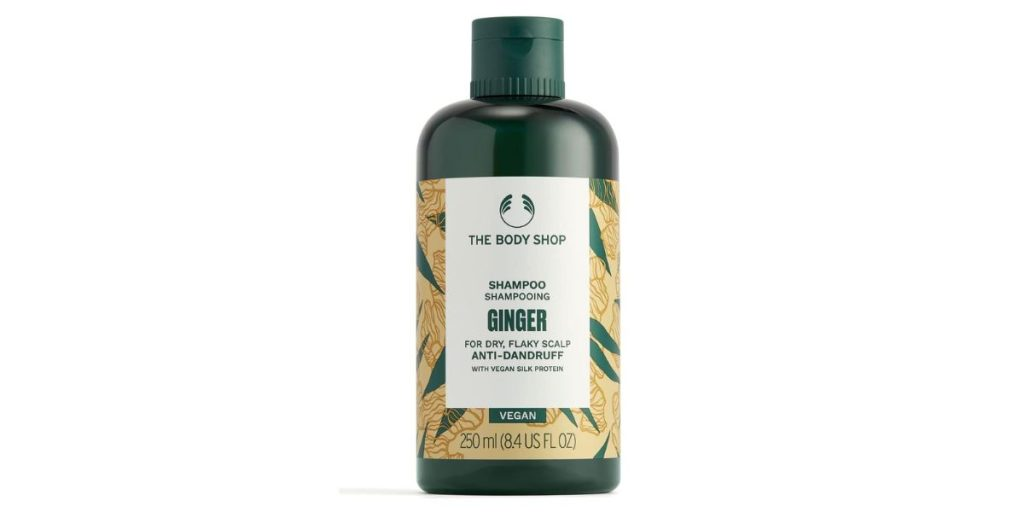
Just like nature cycles through the crisp rebirth of spring, the vibrant warmth of summer, the golden shedding of autumn, and the quiet chill of winter, your hair shifts right along with the world around you.
During the sticky heat of summer, your scalp might sweat more, producing excess oil, while afternoon humidity makes frizz impossible to ignore. When winter arrives, the dry indoor heating and cold outdoor winds can leave your ends feeling brittle and rough.
You don’t need to completely overhaul your life or buy an entirely new arsenal of products for every season. Just listen to the subtle shifts in your hair. You might wash a little more frequently during a sweaty July heatwave, or leave your conditioner on for an extra minute when December arrives. Treat your hair routine like a living, breathing thing—flexible and forgiving, rather than a rigid rulebook carved in stone.