
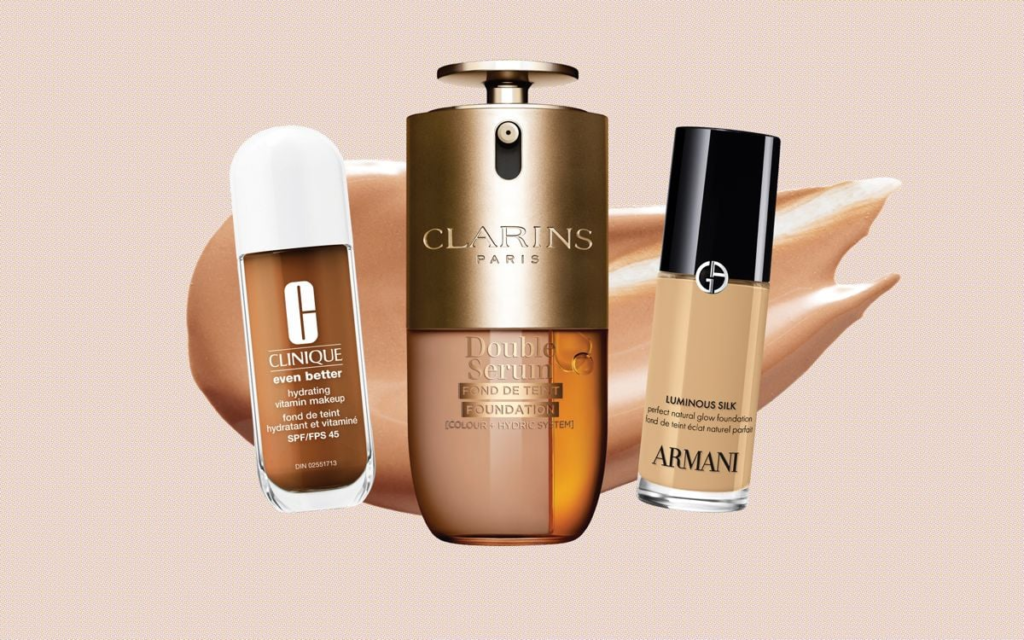
Finding a foundation that still looks good after several hours sounds simple, but anyone who wears makeup regularly knows it is not always that easy. A foundation can look beautiful when you first apply it and then slowly change as the day goes on. Maybe the forehead becomes shiny, the cheeks start looking dry, or the makeup disappears around the nose. Sometimes it is not even the foundation itself. Your skin, skincare routine, weather, and application technique can all play a part.
That is why choosing a long-wear foundation in 2026 should be about more than looking for words such as “all-day” or “long-lasting” on the bottle. The right foundation should work with your skin and your routine. You want something that gives you the coverage you like, feels comfortable, matches your complexion, and still looks reasonably fresh after you have been wearing it for hours.
What Does Long-Wear Foundation Really Mean?
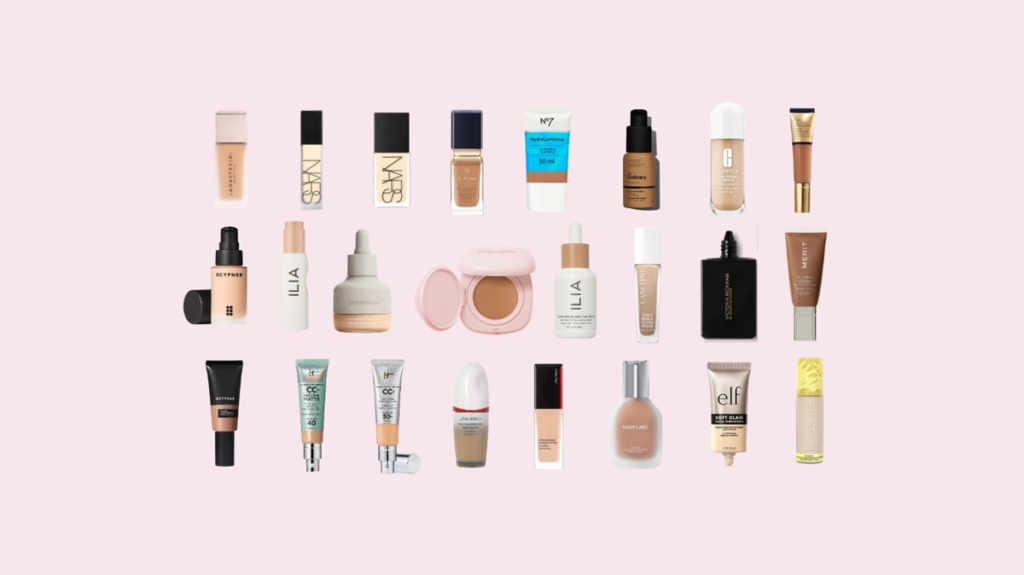
Long-wear foundation is made to stay on the skin for longer than many regular formulas. But it is worth keeping expectations realistic. No foundation is going to look exactly the same after eight or ten hours as it did five minutes after you applied it.
Your face naturally produces oil. You may sweat, touch your face, wipe your nose, wear a mask, spend time outdoors, or simply move around throughout the day. All of these little things can affect your makeup.
For me, the better way to think about long-wear foundation is not “Will this stay perfect all day?” but “Will this still look good and feel comfortable after several hours?” That is a much more useful question when you are choosing a product.
Start With Your Skin Type Foundation
Before getting excited about a particular foundation, think about your own skin. This sounds obvious, but it is one of the easiest things to overlook when a product is trending.
If your skin becomes oily quickly, you may want something that helps control shine. If your skin is dry, a very matte formula might make your complexion look flat or emphasize dry areas. Combination skin sits somewhere in the middle and may need a little more thought.
Your skin type does not have to fit perfectly into one category either. It can change with the season, your skincare routine, and even the weather. A foundation that feels comfortable in winter may feel completely different during a hot summer afternoon.
If You Have Oily Skin
Oily skin can make foundation disappear or become shiny around the T-zone. The forehead, nose, and chin are often the first areas where you notice it.
A long-wear foundation with a natural-matte or soft-matte finish can be useful here. But there is no need to cover your face in a thick layer just because you have oily skin.
Start with a small amount. Blend it well and use powder only where you actually need oil control. If you put a heavy layer of foundation and powder everywhere, your makeup can start feeling uncomfortable and look cakey later.
Sometimes less really does work better.
If Your Skin Is Dry
Dry skin needs a little more preparation before foundation. If your skin feels tight after cleansing or you regularly notice flaky patches, take a few extra minutes to moisturize before applying makeup.
A long-wear foundation with a natural or hydrating finish may feel more comfortable than an extremely matte formula. The goal is to get staying power without making your skin look dry.
One thing that helps is giving your skincare time to settle. Applying foundation immediately over several wet skincare products can sometimes make everything move around. A short pause can make the application much smoother.
What About Combination Skin?
Combination skin can be slightly frustrating because one part of your face may want moisture while another part wants less shine.
Instead of treating your whole face exactly the same, you can adjust your preparation. Give dry areas a little more hydration and keep your oilier areas lighter. You can also use different amounts of primer or powder depending on the area.
This does not need to become a complicated routine. The idea is simply to listen to what different parts of your skin are doing.
Choose the Finish You Like
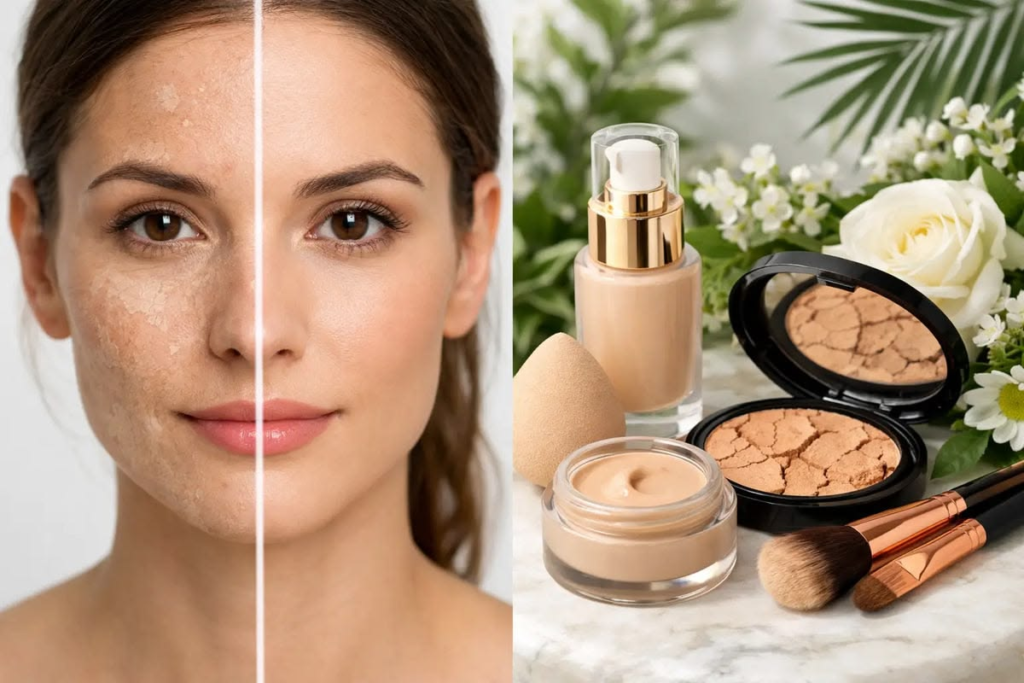
Foundation finishes can completely change the look of your makeup.
A matte finish generally gives a more shine-controlled appearance. A natural finish sits somewhere in the middle and can look closer to real skin. A dewy finish gives the complexion a more luminous appearance.
Do not choose a finish just because someone says it is “best.” Think about what makes you feel comfortable when you look in the mirror.
If you like fresh, everyday makeup, a natural finish may be your style. If you enjoy a polished makeup look, you might prefer something with more coverage and a soft-matte finish.
How Much Coverage Do You Actually Need?
This is another place where people often buy more than they need.
If your main goal is to even out your skin tone, you may be perfectly happy with light or medium coverage. If you have areas you want to cover more completely, you can use a buildable foundation or add concealer where necessary.
You do not have to put a full-coverage layer over your entire face to get a polished look.
Starting with less also gives you more control. You can always add another layer. Removing too much foundation is a completely different problem.
Finding a Shade That Looks Natural
A good foundation shade should blend into your skin rather than sitting on top of it like a separate layer.
When possible, test the foundation around your jawline. The color of your hand may not match your face closely enough to give you an accurate idea of the shade.
Undertone matters too. Your skin may lean warm, cool, neutral, or somewhere in between. If the undertone is wrong, even a close shade can look slightly strange once it is blended.
Take your time when choosing. Shade matching is not something you need to rush.
Your Skincare Routine Can Change the Result
Sometimes the foundation gets blamed for a problem that actually started before makeup was applied.
If you have applied several heavy skincare products and immediately put foundation over them, the makeup may slide or separate. On the other hand, if you skip moisturizer when your skin needs it, foundation may cling to dry patches.
Your preparation does not need to be complicated. Clean skin, suitable moisturizer, and enough time for the products to settle can be a very good starting point.
Do You Really Need Primer?
Primer can be helpful, but it is not mandatory.
If your makeup tends to disappear quickly, become shiny, or separate in certain areas, primer may help create a better base. But you do not necessarily need to use it all over your face.
For example, you might prefer a mattifying primer around your nose and forehead while leaving your cheeks with just moisturizer.
The important thing is to use primer because you have a reason for it, not simply because every makeup routine online includes one.
Apply Your Foundation Slowly
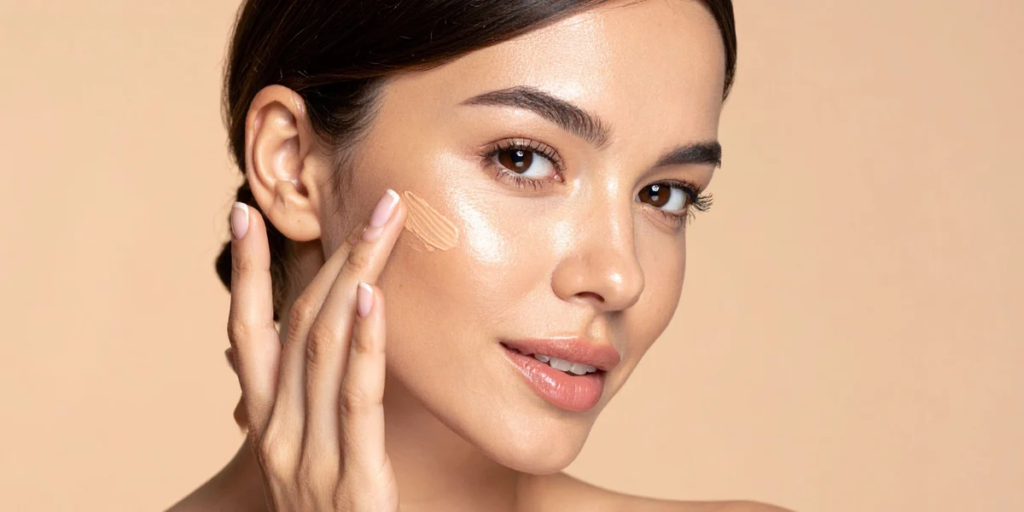
One of the easiest ways to improve the appearance of long-wear foundation is to stop rushing the application.
Put a small amount on the face and blend it before deciding whether you need more. Give yourself a moment to see how much coverage you have actually achieved.
If you need additional coverage, add it only where necessary.
This creates a much more natural result than putting a large amount of foundation on your face at once and then trying to blend everything afterward.
Brush, Sponge, or Fingers?
There is no single makeup tool that everyone has to use.
A brush can give you more coverage and can be useful with thicker formulas. A damp sponge can soften the appearance of foundation and leave a more blended finish. Fingers can work surprisingly well with lightweight foundations.
Try different methods and pay attention to the result.
Sometimes the same foundation can look completely different simply because you changed the way you applied it.
How to Make Your Foundation Last Longer
There is no need to keep adding foundation throughout the day.
If your face becomes oily, gently remove excess oil first. Then use a small amount of powder where necessary. Adding another thick layer of foundation over oil usually does not improve the situation.
If makeup has faded around your nose or another small area, touch up just that spot.
Do Not Forget Your Neck
A foundation that matches your face but looks completely different from your neck can make the makeup appear less natural.
When blending your foundation, pay attention to the transition between your face and neck. You do not necessarily need to apply a heavy amount to your neck, but the overall color should look balanced.
This small detail can make a noticeable difference in the finished look.
Common Mistakes That Can Ruin Long-Wear Makeup
Sometimes the foundation is not the problem at all.
Using too much skincare underneath can cause makeup to slide. Applying a thick foundation layer can make texture more visible. Choosing the wrong shade can make even beautiful makeup look unnatural.
Another common mistake is constantly touching the face. It is easy to do without noticing, especially around the nose and chin.
And then there is the habit of adding more makeup whenever something looks slightly imperfect. Often, a gentle touch-up is all you need.
You Do Not Need the Most Expensive Foundation
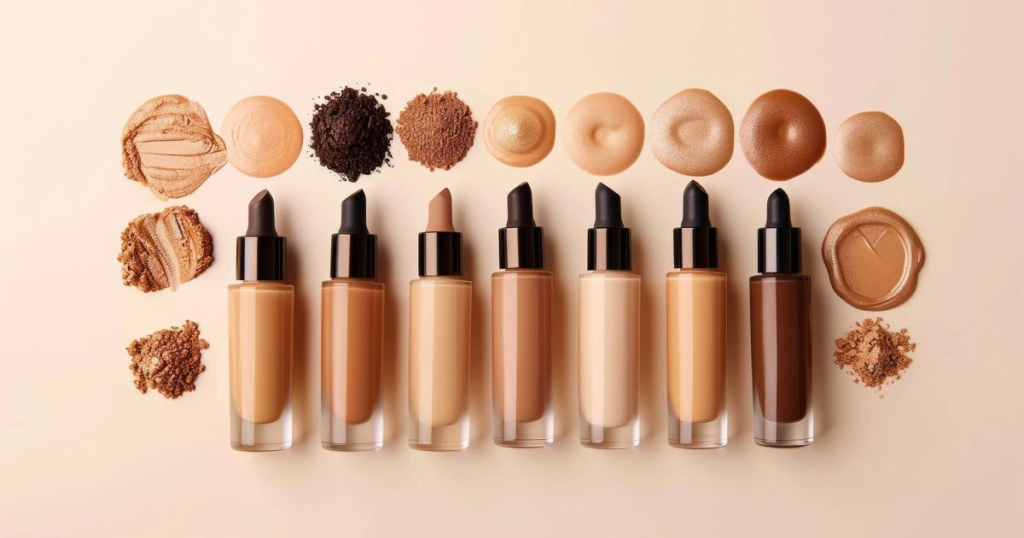
Price is not a guarantee that a foundation will work well for you.
An expensive product can be disappointing if the shade or formula does not suit your skin. At the same time, a more affordable foundation can become a favorite if it gives you the finish and comfort you want.
Instead of focusing only on the price tag, pay attention to the formula, shade range, finish, coverage, and your own experience with the product.