
Let’s be entirely honest with each other right out of the gate. If you clicked on this piece today looking for practical self-care, chances are high that you are currently multitasking. Maybe you have a lukewarm cup of coffee sitting beside your keyboard, half-forgotten while you hunt through three different browser tabs trying to track down an errant file. Perhaps you have a running mental ticker tape of tomorrow morning’s carpools, grocery lists, and urgent team messages looping in the back of your mind.
We live in a world that moves at a staggering, breathless velocity. Life in 2026 feels less like a steady stream and more like a Class V rapid that we are attempting to navigate in a canoe made of old cardboard. We wear our exhaustion like a twisted badge of honor, treating burnout as a mandatory subscription fee for simply participating in modern society. We celebrate how much we can cram into twenty-four hours, completely ignoring the quiet, steady erosion happening inside our bodies and our minds.
For years, the wellness industry has tried to sell us a very specific, highly commercialized version of self-care. They tell us we need hour-long morning routines involving complex meditation techniques, expensive jade rollers, organic green powders, and rigid schedules that look like they require a personal assistant to maintain. But let me ask you a blunt question: if your life is already bursting at the absolute seams, does adding a demanding, high-maintenance wellness ritual actually help you relax? Or does it just become one more chore on your punishing to-do list—another thing you feel guilty about failing to accomplish?
Real, grounded self-care for busy people isn’t about luxury, perfection, or carving out two hours of silent isolation when you barely have ten minutes to swallow lunch. It is about learning how to soften the rigid edges of your day. It is about discovering tiny, organic anchors that root you back into your own skin, honoring your limits, and treating yourself with the same raw, unconditional grace you would offer to a dear friend who was falling apart. Let’s walk through how to weave that restoration back into the messy, beautiful texture of real life.
The Psychology of the Overworked Mind: Why We Resist Rest
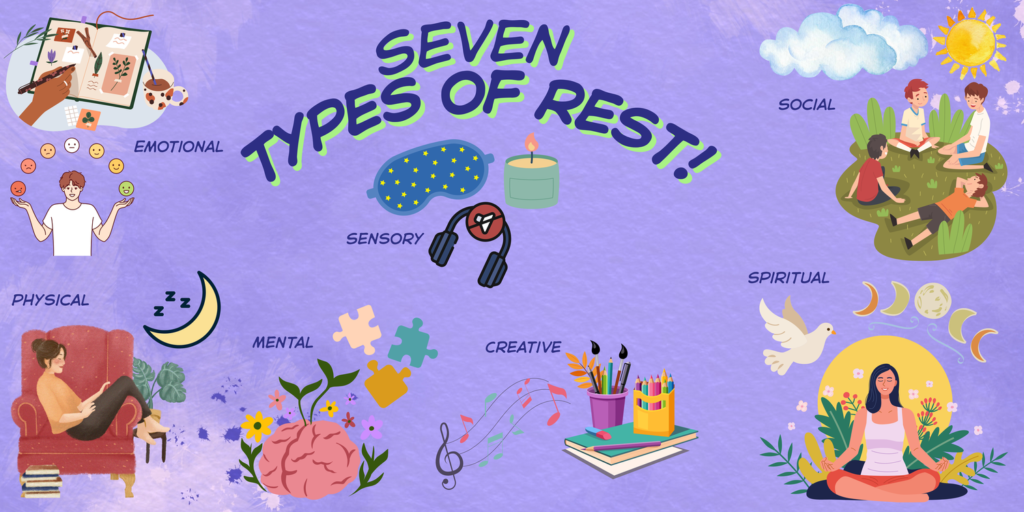
Before we talk about practical shifts, we have to look squarely at the invisible emotional weights keeping us trapped in the cycle of constant doing. Why is it genuinely so difficult for us to stop?
- The Trap of Perpetual Motion: Our brains evolved to handle the predictable rhythms of the natural world mindset, but our current digital ecosystem exploits our ancient survival wiring. Every notification, ping, and flashing banner triggers a micro-hit of dopamine, locking us into a state of hyper-vigilance. We confuse sheer motion with actual progress, terrified that if we pause for even one second, our entire world will unravel.
- The Guilt of Stillness: For many of us, sitting quietly on a porch or a couch without a laptop, a book, or a chore in our hands triggers a deep, visceral discomfort. We feel lazy. We feel unproductive. We carry an internalized voice whispering that our human worth is strictly tethered to our output—that we only deserve rest after we have emptied an impossible bucket of responsibilities.
- The Biology of Depletion: When you run on an empty tank for months on end, your prefrontal cortex—the seat of emotional regulation, creativity, and empathy—essentially dims its lights. You stop living your life and start merely reacting to stimuli. You snap at your family over nothing, stare blankly at your screen, and wonder where your spark went.
Recognizing these psychological traps is the first step toward dismantling them. Rest is not a reward you have to earn through exhaustion; it is a basic biological requirement, just like water, oxygen, and sleep.
Nature-Infused Micro-Moments for the Urban Soul

You do not need to pack your bags and move to a secluded cabin in the woods to find peace. Even if your daily horizon consists of asphalt, steel, glass, and glowing blue screens, you can tap into the ancient, steady rhythm of the natural world through micro-moments. Nature operates without frantic rush; a wild oak tree never hurries to grow its leaves, yet everything gets done in its own time.
- The Windowpane Horizon Test: When your eyes feel heavy and your brain feels like fried wire, stand up from your desk, walk to the nearest window, and look completely past the glass. Don’t look at the cars or the pavement directly below; look all the way out to the distant horizon. Watch how the clouds drift or how the wind moves the upper branches of a distant tree. This act of “soft fascination” forces your nervous system out of its fight-or-flight tunnel vision and gives your overworked cortex a vital cognitive reset.
- Tactile Grounding (The Barefoot Reset): Whenever possible, step outside onto a patch of grass, cool soil, or even damp concrete for sixty seconds without your shoes. Feel the texture of the earth beneath your soles. It sounds deceptively simple, but this tactile sensory shift immediately pulls your awareness out of the swirling vortex of thoughts in your head and drops it squarely back into your physical body.
- Botanical Sensory Anchors: Keep a small bottle of a grounding, earthy essential oil—such as cedarwood, pine, damp moss, or crisp eucalyptus—on your desk or in your bag. When you feel a wave of rising panic or overwhelm during a chaotic workday, place a single drop on your palms, cup your hands over your nose, and take three deep breaths. Let the scent act as a fragrant forest breeze sweeping away the stale mental clutter of the room.
- The Living Desk Companion: Place a single, hardy green plant—like a resilient pothos or a sturdy succulent—right where you work. Tending to a living organism requires no digital screen, no Wi-Fi, and no optimization algorithms. Just watching a new green leaf slowly unfurl over weeks reminds you that growth happens quietly in the background, away from the glare of productivity metrics.
Radical Boundaries: Protecting Your Inner Ecosystem
Just like a wild garden needs a sturdy fence to keep destructive elements out, your mental and emotional energy needs fierce, unapologetic boundaries. Without them, the demands of the world will happily consume every drop of fuel you have.
- The Art of the Clean Pause: Between back-to-back meetings, phone calls, or household chores, resist the urge to immediately check your phone or dive into the next task. Take sixty seconds to sit completely still. Drop your shoulders away from your ears, unclench your jaw, and take three deliberate breaths. Think of this as clearing the underbrush in a dense forest so fresh air can circulate freely through your day.
- The Digital Sunset: In 2026, our devices follow us everywhere, glowing like restless ghosts on our bedside tables. Set a firm boundary where your phone goes to sleep in another room at least an hour before you do. Replace the mindless late-night scroll with the quiet rustle of physical paper pages or simply listening to the nighttime sounds outside your open window.
- Saying “No” as an Act of Preservation: Every time you say yes to an external obligation that drains your core energy, you are implicitly saying no to your own well-being. Practice gentle, firm refusals. Your time and energy are finite natural resources; treat them with the same fierce protection you would give to clean water or fertile soil. You do not owe an elaborate, defensive apology for needing to protect your peace.
The Anatomy of Rest: Moving Beyond Numbness

One of the greatest mistakes we make when we are exhausted is confusing numbing out with actual rest. Slumping on the couch for three hours doom-scrolling social media or binge-watching a show until your eyes blur isn’t restoring your spirit—it’s just putting your exhaustion into a temporary coma.
- Active Restoration vs. Passive Numbing: True rest revitalizes your energy. It might look like taking a slow, solitary evening walk under the twilight sky without headphones, letting your thoughts drift like leaves on a stream. It might look like sketching with clumsy lines, stretching your sore muscles on a yoga mat, or listening to a warm acoustic record while staring up at the ceiling.
- Stretching the Roots of Physical Tension: Physical tension accumulates heavily in our hips, shoulders, and neck when we sit and stress all day long. Spend five minutes before bed doing slow, floor-based stretches. Imagine your spine lengthening like a tall sapling reaching upward toward the sun, slowly shedding the heavy armor and responsibilities of the day.
- Emotional Unburdening on Paper: Keep a rough, unformatted journal by your bedside—not for pretty handwriting or structured gratitude lists, but as a safe, messy dumping ground. Scribble out the tangled thoughts, anxieties, and frustrations of the day without editing yourself. Let the paper absorb the storm so your mind can finally quiet down and find deep, restorative sleep.