Let’s be completely honest with ourselves for a quiet moment. How many times this week did your alarm clock go off, and before your feet even touched the wooden floorboards of your bedroom, your hand was already blindly reaching for your glowing phone screen? Within three seconds of waking up, you were drowning in a flood of breaking news, frantic work emails, algorithmic notifications, and other people’s highlight reels. By the time you actually dragged yourself to the kitchen to brew your morning coffee, your nervous system was already firing on all cylinders, buzzing with stress before the sun had even fully cleared the horizon. We live in a world that moves at a breakneck, exhausting speed. Even as stepping into 2026 has brought us more flexibility in how we work and live, our internal wiring hasn’t caught up. We are constantly wired, constantly accessible, and mentally stretched thinner than an autumn leaf clinging to a dying branch. We talk endlessly about self-care, but often treat it like another item on an impossible to-do list—something we squeeze in if we have an extra twenty minutes, right after cleaning the kitchen and answering that last late-night message. True self-care isn’t about expensive spa days, luxury face masks, or toxic positivity. At its core, self-care is the gentle, radical act of coming back home to yourself. It is about planting your roots deep into the soil of your own well-being, carving out small pockets of quiet air in a suffocatingly loud world.
The Screen-Free Sunrise: Disconnecting to Reconnect

Before you let the digital noise of the world hijack your brain chemistry every single morning, try stepping outside for just five minutes without your phone clutched in your palm.Your brain desperately needs time to transition from the dream world to reality without being blasted by demands, flashing lights, and panicked headlines. Step onto your balcony, your porch, or throw your window wide open. Feel the crisp morning air hit your skin. Watch how the early light breaks through the trees or reflects off the pavement. Take three deep, slow breaths, imagining you are drawing in the clean, untamed energy of the earth and exhaling all of yesterday’s stagnant worries. When you refuse to let the internet be the very first thing you touch in the morning, you reclaim ownership of your day. You set a boundary that says your peace of mind matters more than what is happening in someone else’s digital universe. It is a small shift, but it changes the emotional gravity of everything that follows.
The Slow Brew Mindfulness Ritual (Self-Care)
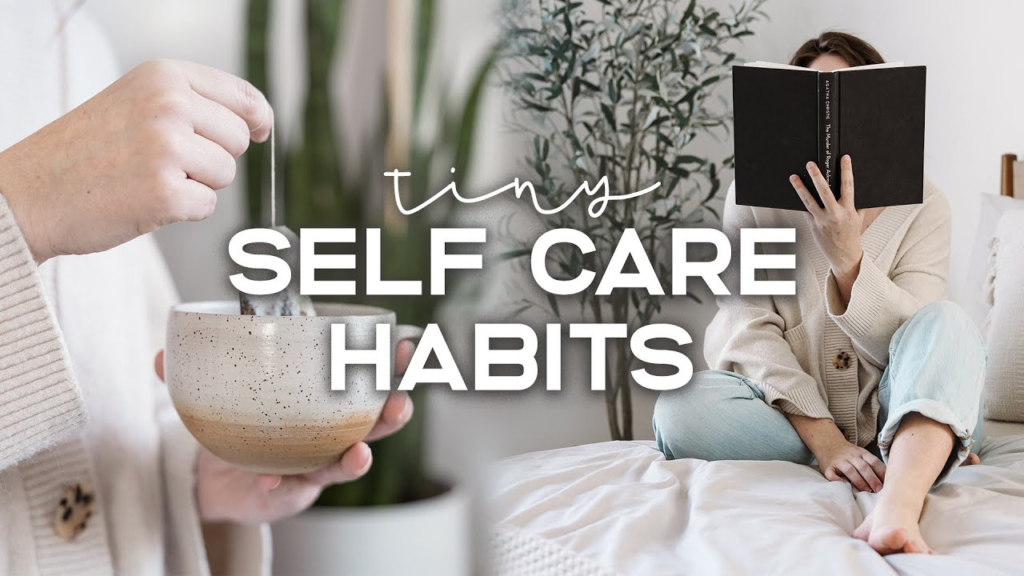
Most of us treat drinking coffee or tea like refueling a car—we pour it in fast while rushing out the door, half-spilling it on our shirts, staring blankly at our transit apps. Let’s change that into a moving meditation. Transformation lives in the ordinary moments we usually rush past without a second glance. When you make your morning drink, slow down your hands. Feel the heavy warmth of the ceramic mug against your palms. Listen to the sound of water heating up or pouring over loose leaves or grounds. Smell the rich, earthy aroma rising into the air. When you take your first sip, let everything else fade away for ten seconds. Just taste the warmth. Notice how it feels moving down your throat. It anchors your racing mind directly into the present moment, reminding you that you are here, alive, and breathing, right now in this exact kitchen.
Digital Sunset: Setting Boundaries with the Void
We protect our physical homes by locking the doors, sliding the deadbolts, and turning off the lights at night, but we leave our mental doorways wide open to the internet until the exact moment we close our eyes in exhaustion. Constant availability is a trap that quietly robs us of our internal peace. Try picking a hard stop time—say, an hour before you plan to sleep—and turn off all non-essential screens. Put your phone in another room or tuck it away inside a drawer. Let the silence rush in to fill the physical and mental space. Use that quiet hour to read actual paper pages that turn between your fingers, stretch your tired muscles on the living room rug, or simply sit in the dim light and let your mind wander like a river finding its natural curve. You will find that sleep comes much easier when your brain isn’t trying to process blue light and algorithmic stress right up until midnight.
Grounding Movement: Walking Without a Destination
Exercise is so often sold to us as punishment—something we must do to burn off calories, hit a fitness metric, or fix our bodies because society tells us we need tweaking. Let’s strip all of that heavy baggage away. Movement should be a celebration of what your body can physically do. Walking is the oldest, most reliable form of human therapy. Put on a pair of comfortable, worn-in shoes, leave your headphones at home so you can hear the world, and take a 20-minute walk through a neighborhood park, down a tree-lined street, or along a quiet dirt path. Pay attention to the crunch of gravel or autumn leaves under your boots, the gentle sway of branches in the wind, and the natural rhythm of your own footsteps keeping time with the earth. Let your thoughts untangle themselves as your legs carry you forward. You don’t need a destination; you just need motion and fresh air.
The Hydration Ceremony: Water as a Reset

We forget how much of our physical vessel is water, and how easily we dry out, get irritable, and crash when life gets stressful and busy. Simple physical nourishment is often the ultimate emotional reset switch. Pour yourself a large glass of clean, cool water. Before you rush to drink it down, pause for a second and appreciate it. Imagine the water washing away mental fatigue, cooling down an overheated, anxious mind, and nourishing every single cell in your body like spring rain feeding a thirsty forest floor. Water is life in its purest form. Taking ten seconds to consciously rehydrate yourself is a silent act of self-respect that reminds your body you are taking care of it from the inside out.
Digital Spring Cleaning: Unfollowing the Exhaustion
Your digital feed is an ecosystem. If your social media timelines are filled with content that makes you feel inadequate, anxious, angry, or constantly marketed to, your mental soil is being polluted every single day. You are the sole curator of your own mental ecosystem; you have the absolute power to plant flowers and pull weeds online. Spend ten minutes today ruthlessly unfollowing, muting, or unsubscribing from accounts, newsletters, and channels that drain your energy and leave you feeling hollow. Replace them with creators, photographers, artists, and writers who share things that make you feel grounded, inspired, and connected to the natural beauty of the world. Protect your attention as if it were rare gold, because to your mental health, it truly is.
Evening Gratitude Grounding
Before you drift off to sleep tonight, instead of running through a mental checklist of everything that went wrong today or everything you still need to accomplish tomorrow, shift the soil of your mind toward quiet gratitude. Gratitude is the emotional anchor that keeps us from drifting away on stormy seas of anxiety. Name three tiny, mundane, beautiful things from your day. Maybe it was the smell of damp earth after a sudden afternoon rainstorm, the way a friend made you laugh over text message, or the simple physical comfort of clean cotton sheets against your skin when you finally climbed into bed. Let those small, quiet moments wrap around you like a warm, heavy blanket as you close your eyes and let go of the day.
The Midday Breath Reset
When work or daily pressures pile up in the middle of the day, our breathing naturally becomes shallow, trapping stress right inside our chest cavity. Take sixty seconds around noon to completely pause. Close your eyes wherever you are sitting. Inhale slowly through your nose for a count of four, hold it at the top for four, and exhale gently through your mouth like you are blowing out a birthday candle. Feel your shoulders drop away from your ears. This tiny physiological pause tells your nervous system that you are safe right now, instantly lowering your heart rate and resetting your focus for the rest of the afternoon.
Feeding Your Focus with Creative Play

As adults, we often trap ourselves in a rigid loop of productivity, chores, and responsibilities, completely forgetting how to play just for the sheer joy of it. Dedicate a small window of your week to an analog creative hobby that has no practical purpose whatsoever. Sketch with a cheap pencil, doodle in the margins, bake a loaf of bread from scratch, or tend to a single houseplant. When you engage your hands in creative work that doesn’t care about outcomes or performance reviews, your brain gets to step off the treadmill of stress and rest in pure, unadulterated creation.
Curating Your Physical Sanctuary
Your environment whispers messages to your subconscious mind all day long. If your living space is cluttered with piles of unorganized items, chaotic cords, and unfinished tasks, your brain registers that visual mess as low-grade stress. Spend ten minutes before bed clearing off one specific surface—like your kitchen counter or your desk. Wipe it down, put things where they belong, and leave it completely clean. Waking up to a clear, calm physical space in the morning is like opening a clean window in a stuffy room. It lets your mind breathe before the day even begins.
The Nourishing Stretch and Release
Our bodies hold onto the emotional tension of our days, locking stress deep inside our hip flexors, lower backs, and necks. Before you get into bed or right after you wake up, spend five minutes moving your body intuitively on the floor. Don’t worry about hitting fitness poses or following a strict routine; just stretch whatever feels tight. Reach your arms up high like a tree stretching toward the sky, roll your neck gently, and let your torso fold over your legs. Listen to what your physical body is asking for and give it that relief.
The Weekly Unplugged Sabbath

In our hyper-connected culture, taking a break from the digital world for an entire day feels almost revolutionary. Yet, it is one of the most healing things you can ever gift yourself. Pick one afternoon each week—perhaps a Sunday—to completely disconnect from social media, news alerts, and non-urgent messaging apps. Spend that time cooking a comforting meal, sitting under a tree, talking face-to-face with someone you love, or reading a physical book from cover to cover. When you return to your digital life the next day, you will look at the screen with fresh eyes, realizing just how much mental space you successfully reclaimed for yourself.
FAQ’s
1. What is a simple self-care routine?
A simple self-care routine includes small daily activities that support your physical, emotional, and mental wellbeing.
2. Why are self-care routines important?
Regular self-care can help you make time for rest, relaxation, healthy habits, and activities that support your overall wellbeing.
3. What are some easy self-care habits for 2026?
Simple habits include getting enough rest, taking short breaks, staying active, spending time away from screens, journaling, and making time for enjoyable activities.
4. How can I start a daily self-care routine?
Start with one or two manageable habits and gradually build a routine that fits your schedule and lifestyle.
5. How much time should I spend on self-care each day?
There is no fixed amount of time. Even 10–15 minutes of intentional self-care can be a useful starting point.