Shampoo recalls often come as a surprise. These are everyday products people trust, use regularly, and rarely question. So when a shampoo is suddenly pulled off store shelves or flagged by health authorities, it raises an important question: what went wrong?
In most cases, recalls aren’t about fear-mongering or overreaction. They happen because something in the product doesn’t meet safety, quality, or labeling standards. Understanding the real reasons behind shampoo recalls helps consumers make informed choices and avoid unnecessary panic.
Let’s break down the most common reasons shampoos are recalled and what they actually mean for you.
Contamination With Harmful Bacteria or Microorganisms
One of the most serious reasons for a shampoo recall is microbial contamination. Shampoos contain water, which creates an environment where bacteria or mold can grow if preservatives fail or manufacturing hygiene slips.
Common contaminants include bacteria like Burkholderia cepacia, which can cause infections, especially in people with weakened immune systems. While healthy individuals may not notice immediate symptoms, prolonged exposure can still pose risks.
Contamination often happens due to:
- Poor sanitation during manufacturing
- Inadequate preservatives
- Improper storage conditions
Even premium or well-known brands are not immune if quality control fails.
Presence of Undeclared or Banned Ingredients
Sometimes shampoos are recalled because they contain ingredients that are restricted, banned, or not listed on the label. This is especially common in products imported from different regulatory regions.
Ingredients that frequently cause recalls include:
- Certain preservatives not approved in specific countries
- Hair-smoothing agents that release formaldehyde
- Colorants or fragrances exceeding legal limits
Undeclared ingredients are a major issue because consumers may unknowingly expose themselves to allergens or chemicals they actively try to avoid.
Detection of Potentially Carcinogenic Substances
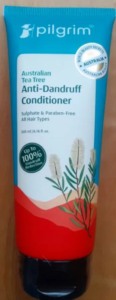
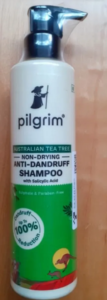
In recent years, some shampoo recalls have been linked to the detection of substances like benzene. Benzene is not intentionally added to shampoos, but it can appear as a contaminant during manufacturing or packaging processes.
Even trace amounts can trigger recalls because long-term exposure to such substances may increase health risks. Regulatory bodies often act cautiously in these cases to protect consumers, even if the immediate risk is low.
Improper Labeling or Misleading Claims
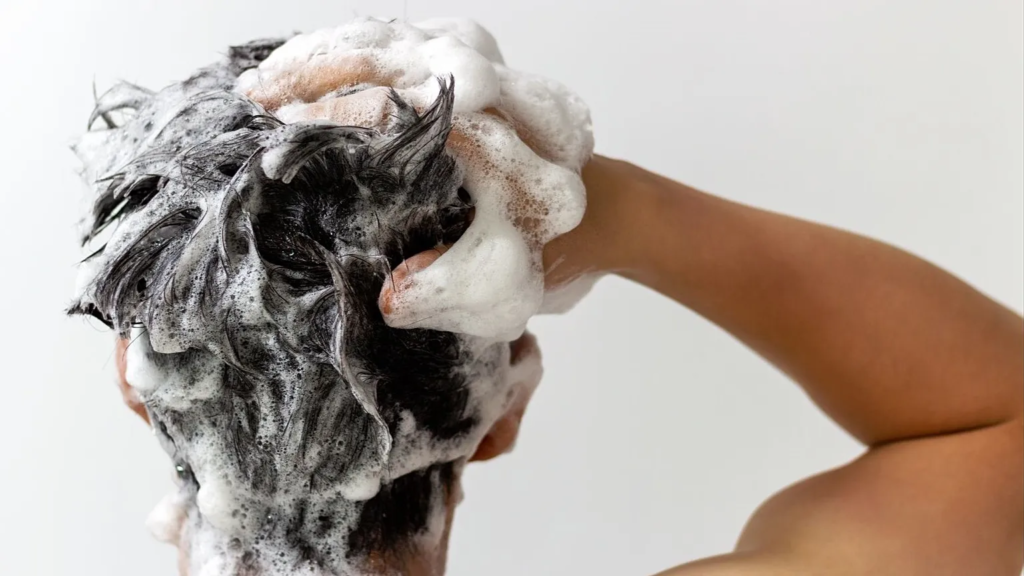
Not all shampoo recalls are due to direct health threats. Some occur because of labeling violations or misleading marketing claims.
Examples include:
- Products labeled “natural” or “organic” without meeting standards
- Missing warning statements or usage instructions
- Incorrect ingredient lists
While these issues may seem minor, accurate labeling is critical. Consumers rely on labels to make decisions based on allergies, ethical values, and personal health needs.
Packaging Defects and Stability Issues
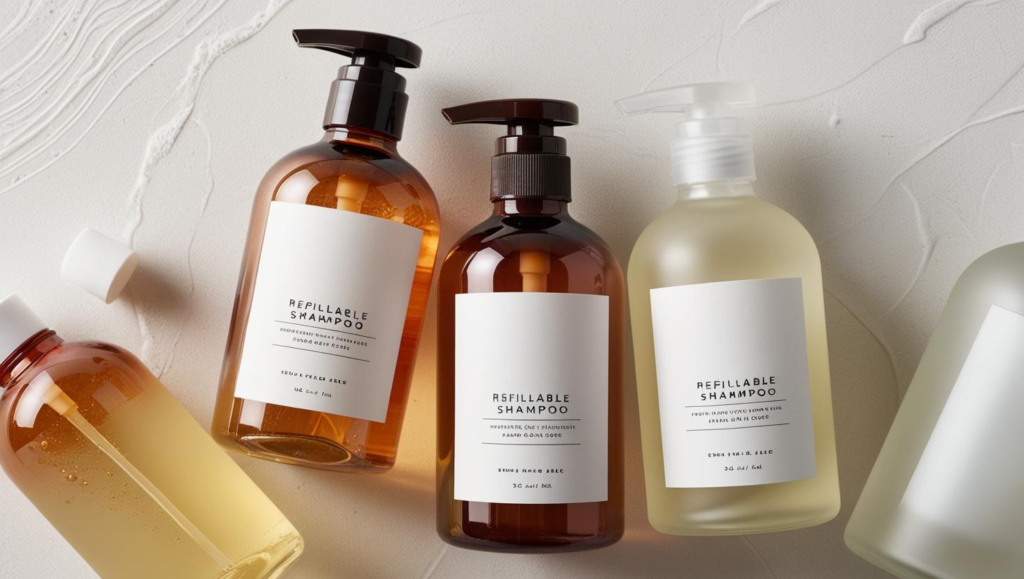
Sometimes the shampoo itself is fine, but the packaging isn’t. Faulty caps, leaking bottles, or packaging that allows air or bacteria to enter can compromise product safety over time.
In other cases, shampoos may become unstable when exposed to heat or light, causing chemical breakdown or separation. If testing reveals that a product doesn’t remain safe throughout its intended shelf life, a recall may be issued.
Consumer Complaints and Adverse Reactions
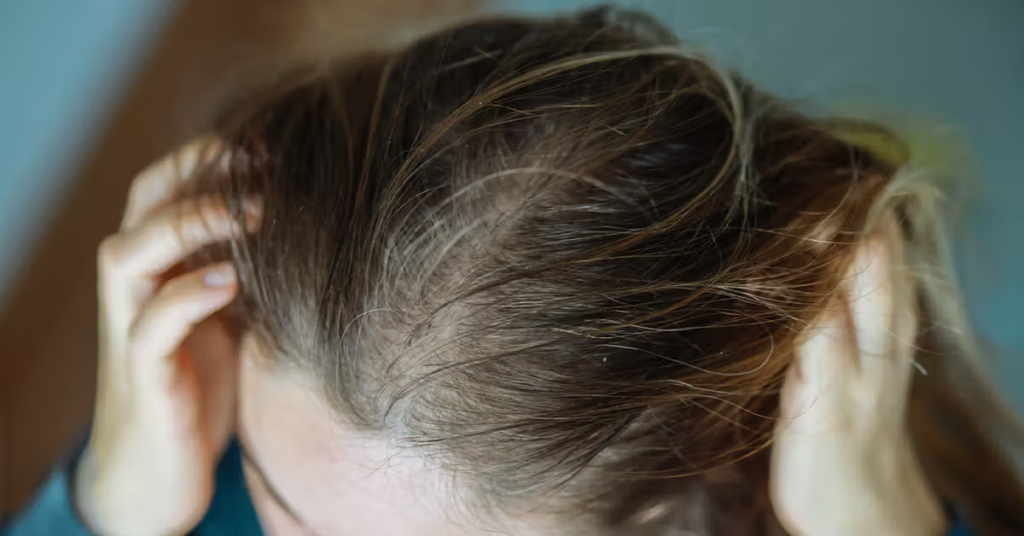
Repeated consumer reports can also trigger investigations and recalls. If enough people experience scalp irritation, hair loss, allergic reactions, or unusual symptoms after using a product, regulators may step in.
While individual reactions vary, patterns matter. A recall may occur even if only a small percentage of users are affected, especially when the reactions are severe or unexpected.
What Shampoo Recalls Mean for Consumers
A recall doesn’t always mean a product is extremely dangerous. In many cases, it reflects precautionary action taken before harm becomes widespread.
For consumers, recalls are reminders to:
- Pay attention to official recall notices
- Stop using recalled products immediately
- Check batch numbers and expiration dates
- Report adverse reactions to authorities
Being informed helps you protect yourself without unnecessary alarm.
Final Thought
Shampoo recalls highlight the complex journey a product takes before reaching your bathroom shelf. From ingredient sourcing to manufacturing, packaging, and labeling, even small mistakes can lead to big consequences. While recalls may feel unsettling, they also show that monitoring systems exist to catch problems and protect consumers. Staying informed, reading labels carefully, and following recall announcements are simple but powerful steps toward safer personal care choices.
Hair Oiling Guide 2026: Best Oils, Benefits & How to Oil Your Hair Properly
There are some beauty habits that never really…

How to Style a Kanjivaram Saree: Easy & Elegant Looks for 2026
There is an unmistakable, grounding magic that ripples…

How to Control Hair Fall Naturally in 2026: Simple Hair Care Tips
Let’s be completely honest with each other for…
Best Long-Wear Foundation for 2026: How to Choose the Right One
Finding a foundation that still looks good after…
Self-Care for Busy People: Simple Ways to Take Care of Yourself in 2026
Let’s be entirely honest with each other right…
Body Care Guide 2026: Best Products and Simple Care Tips
Take a quiet, grounding pause for a second…
Disclaimer : This content is for informational purposes only and should not be considered medical or professional advice. If you experience adverse reactions from any personal care product, discontinue use immediately and consult a qualified healthcare professional. Always refer to official recall notices and regulatory guidance for the most accurate information.
#ShampooRecall #ProductSafety #HairCareAwareness #ConsumerHealth #BeautyIndustry #PersonalCareSafety #SkincareAndHaircare #CosmeticRegulations #Carrerbook #Anslation