When I first started understanding haircare seriously, I realized one important thing — USA climate haircare is completely different from what most of us are used to. Whether it’s dry winters, humid summers, hard water, or constant indoor heating and air conditioning, hair behaves differently here. I learned this the hard way.
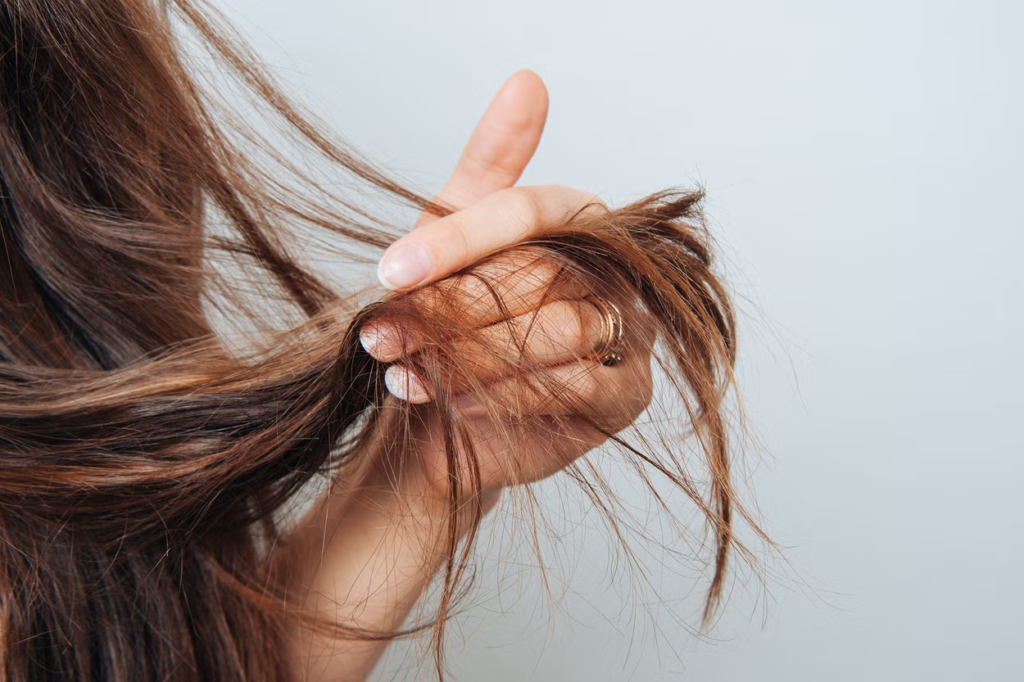
In the beginning, my hair felt dry, dull, and lifeless. I was doing “everything right” according to the internet — expensive shampoos, deep masks, hair oils — but nothing seemed to work consistently. Over time, through trial, error, and honestly listening to my hair, I finally built a routine that actually works for the USA climate.
This blog is not about perfect hair. It’s about healthy, manageable hair that fits real life.
Understanding How USA Climate Affects Hair
Before talking about the routine, it’s important to understand why hair needs extra care in the USA.
- Dry winters pull moisture out of hair
- Hot, humid summers cause frizz and scalp sweat
- Hard water leads to buildup and hair fall
- Indoor heating & AC make hair brittle
- Seasonal changes happen fast, and hair doesn’t get time to adjust
Once I understood this, I stopped blaming my hair and started changing my routine instead.
1. Gentle, Sulfate-Free Shampoo (2–3 Times a Week)
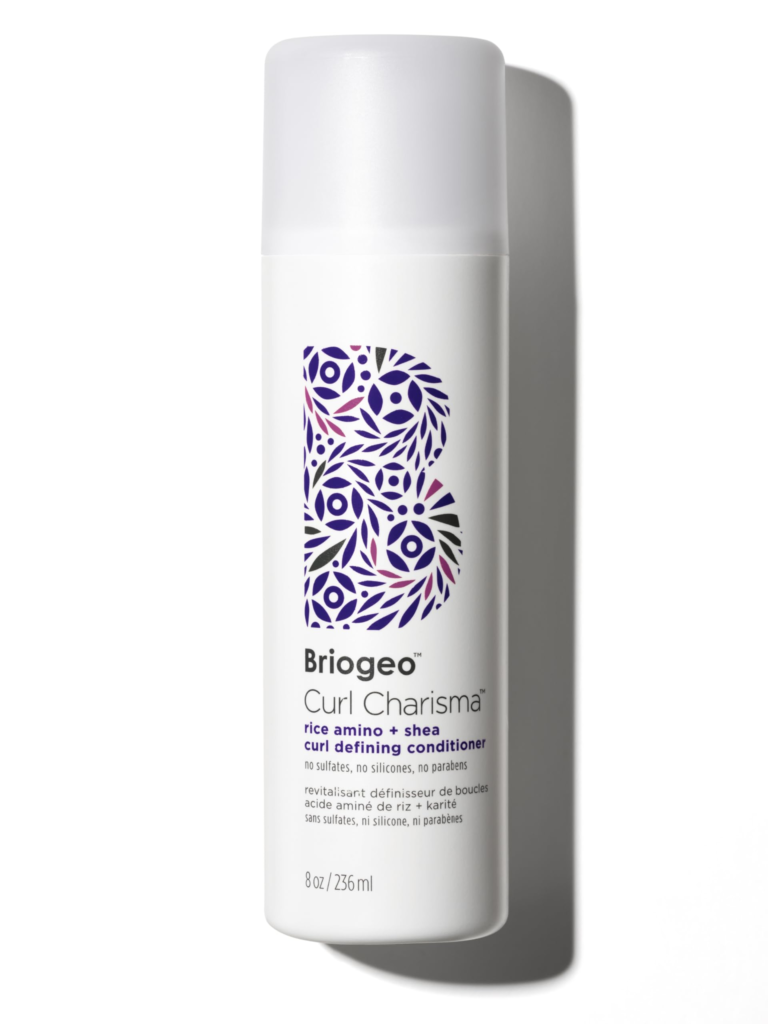
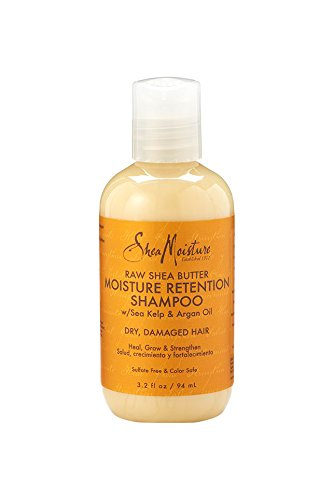
Earlier, I used to wash my hair too often because it felt greasy quickly. Big mistake. Over-washing made my scalp dry and hair weak.
Now I use sulfate-free, moisturizing shampoos that clean without stripping natural oils.
Some shampoos that worked well for me:
- SheaMoisture Moisture Retention Shampoo
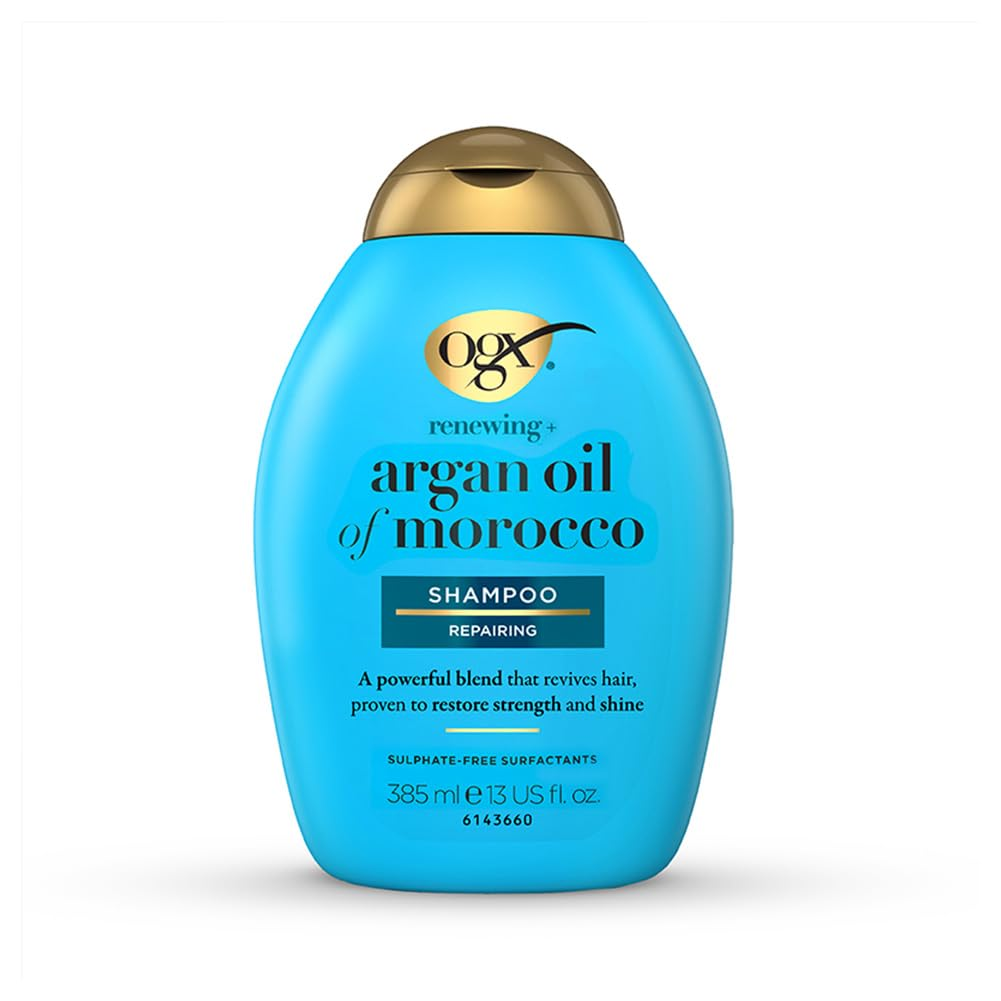
- OGX Argan Oil Shampoo
- Briogeo Don’t Despair, Repair Shampoo
I shampoo only 2–3 times a week, focusing on the scalp, not the ends.
Personal tip: If your hair feels dry but scalp feels oily, don’t shampoo more — condition better.
2. Conditioner Is Non-Negotiable
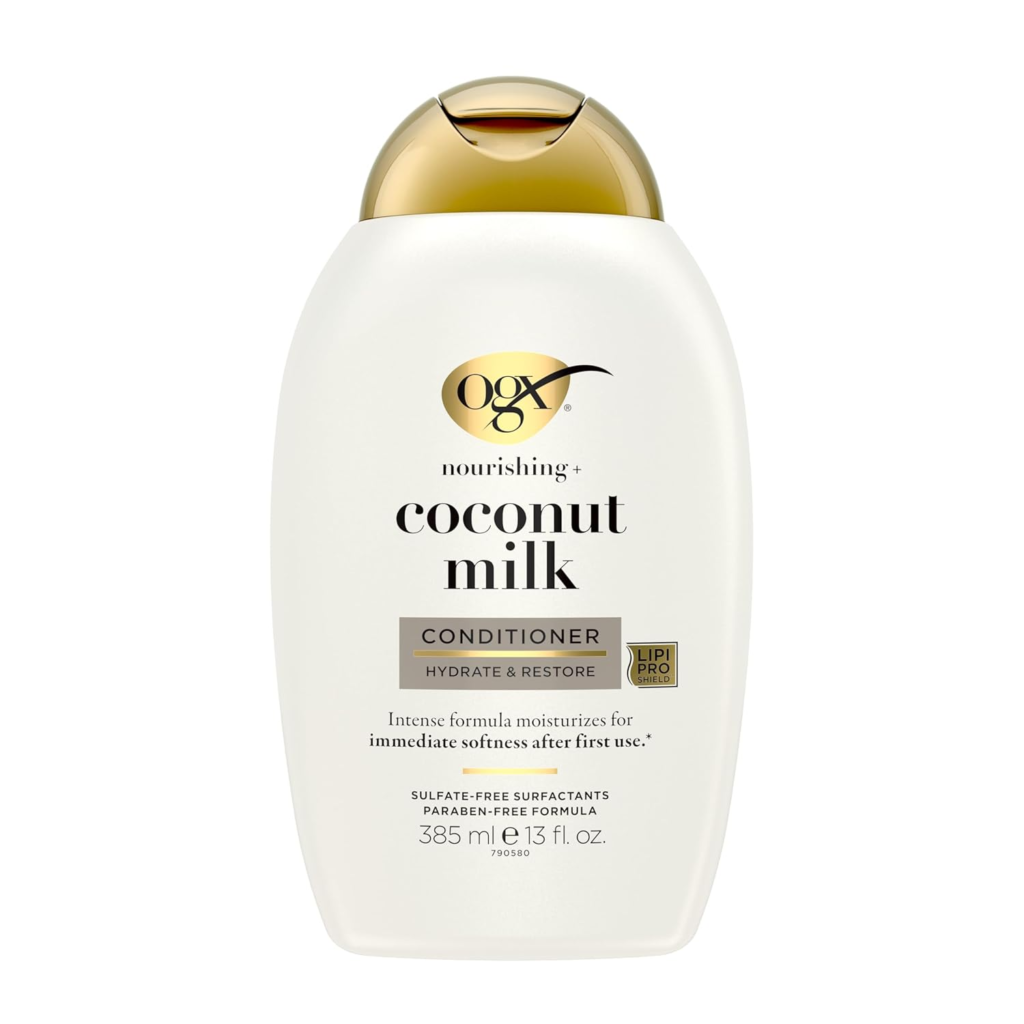
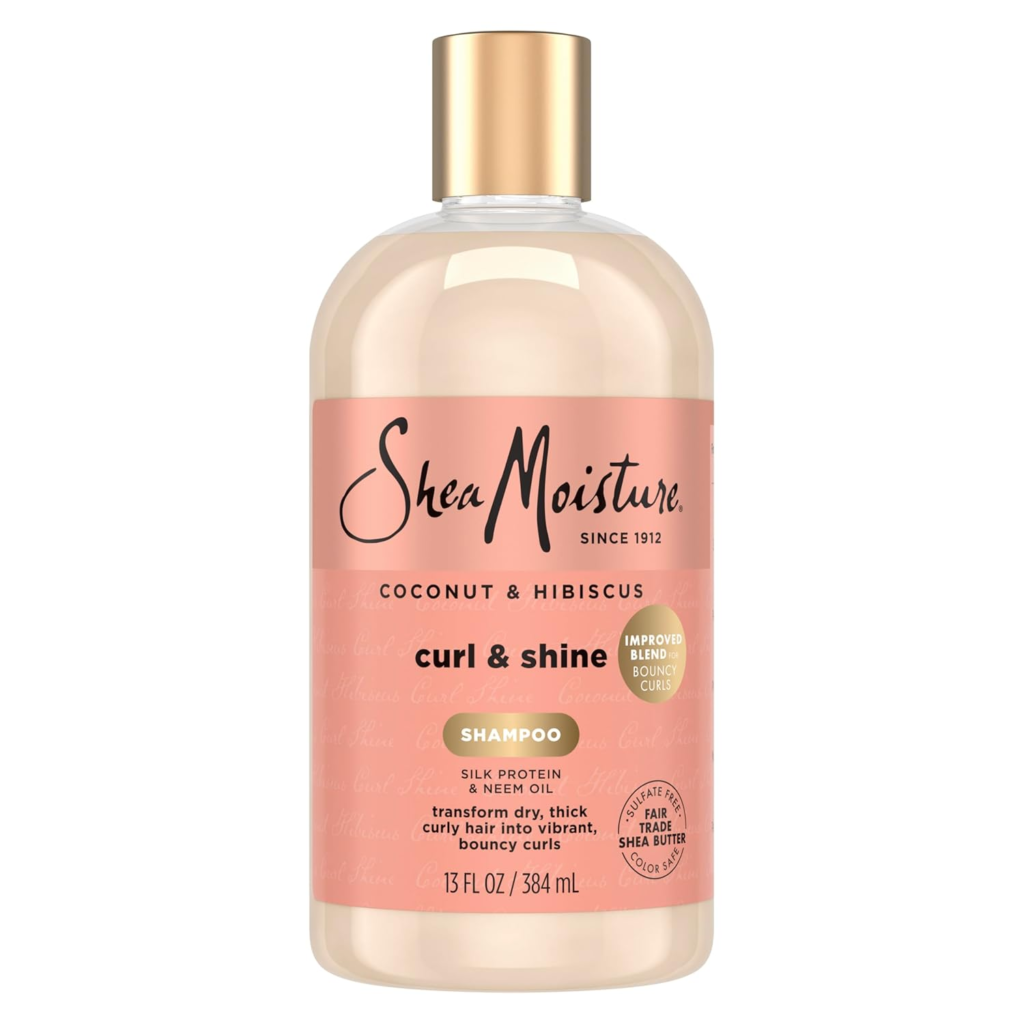
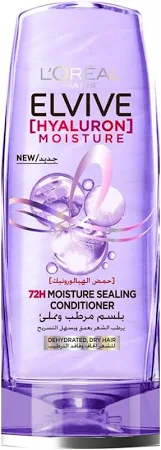
Living in the USA taught me that conditioner is not optional. Climate + water dryness makes hair rough if you skip it.
I apply conditioner only from mid-length to ends and leave it for 2–3 minutes.
My go-to conditioners:
- SheaMoisture Curl & Shine Conditioner
- OGX Coconut Milk Conditioner
- L’Oréal Elvive Hyaluron Plump Conditioner
Since doing this consistently, my hair feels softer and less tangled.
3. Weekly Deep Conditioning (Game Changer)
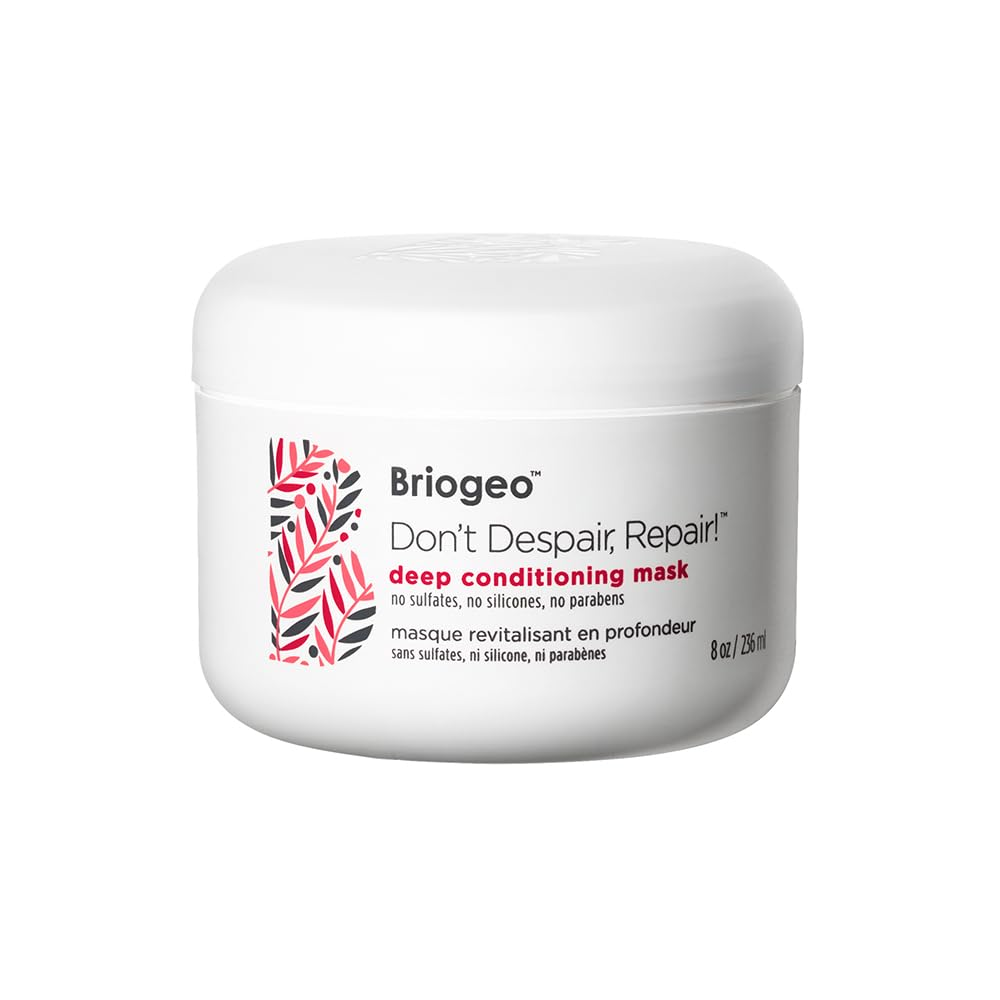
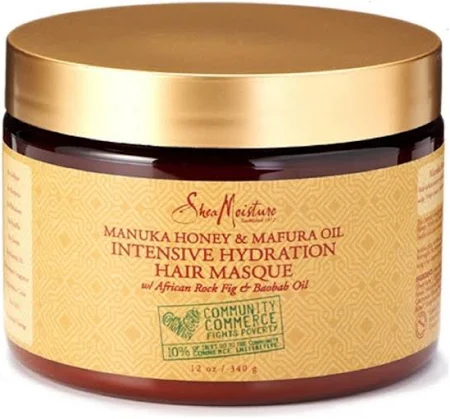
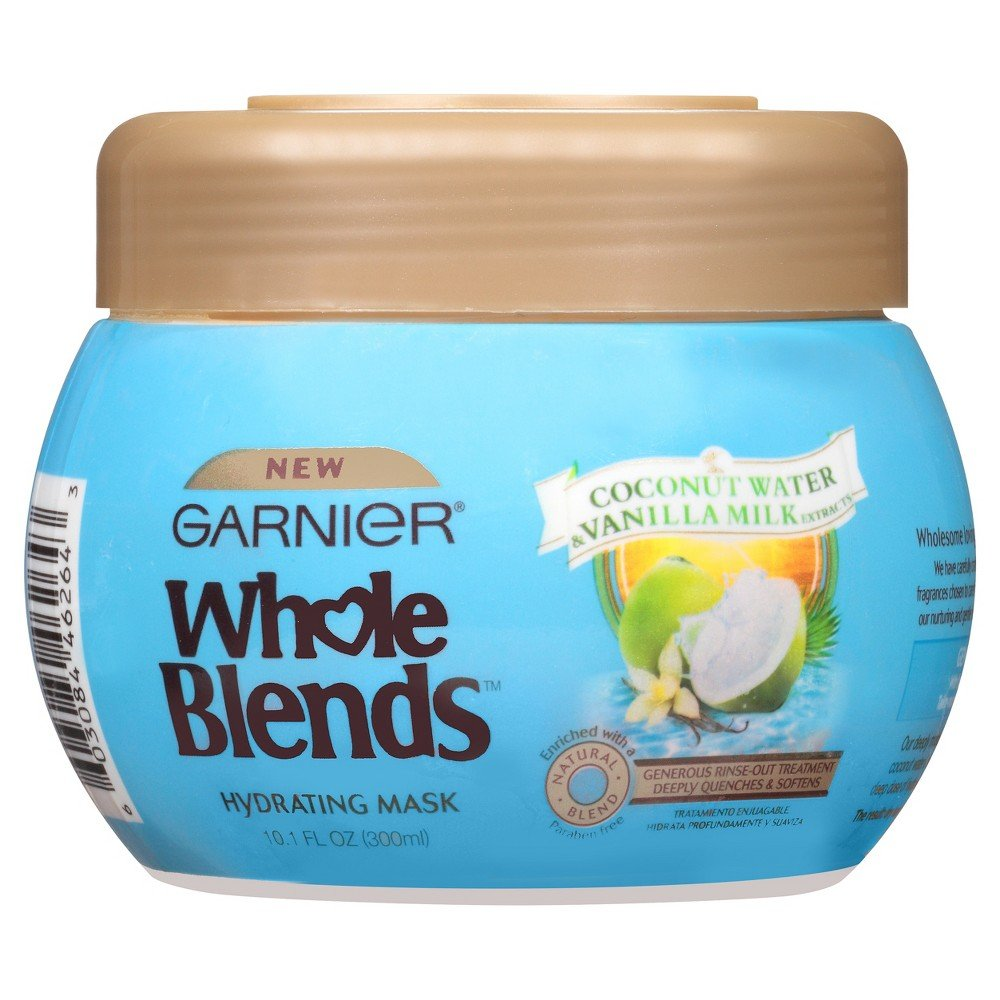
This step changed my hair completely.
Once a week, I use a deep conditioning hair mask to bring moisture back.
Hair masks I personally liked:
- Briogeo Hair Mask
- SheaMoisture Manuka Honey Mask
- Garnier Whole Blends Hair Mask
I apply it after shampoo, wrap my hair in a towel, and leave it for 15–20 minutes. My hair always feels smoother after this.
4. Oil Before Wash (Only Once a Week)
Argan oil (light nourishment)
In dry USA weather, oiling helps — but overdoing it doesn’t.
I oil my hair once a week, mostly when my hair feels dry.
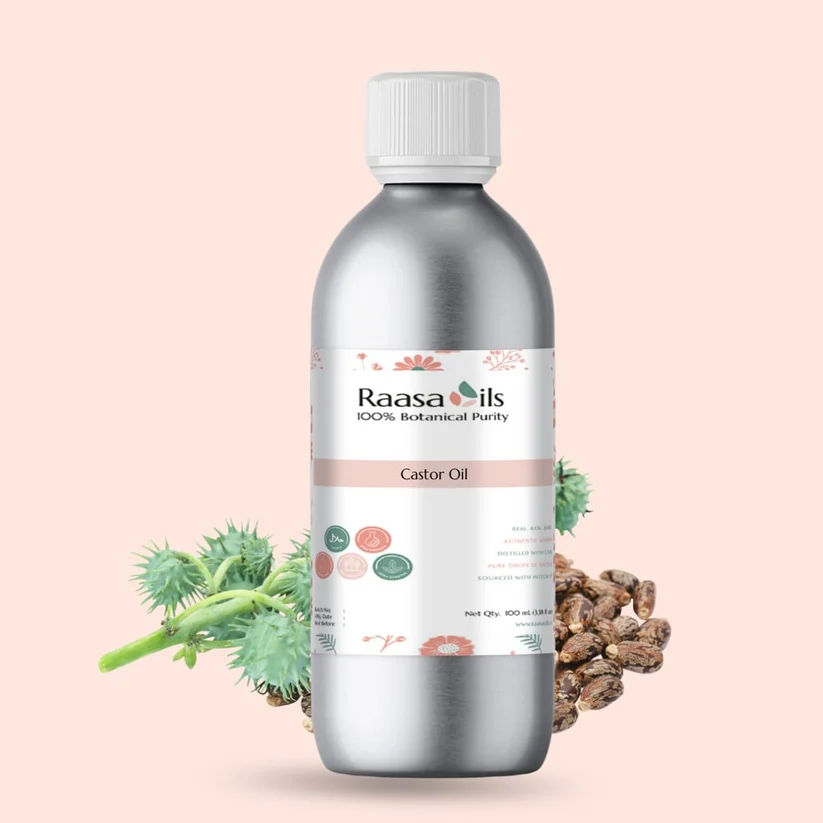
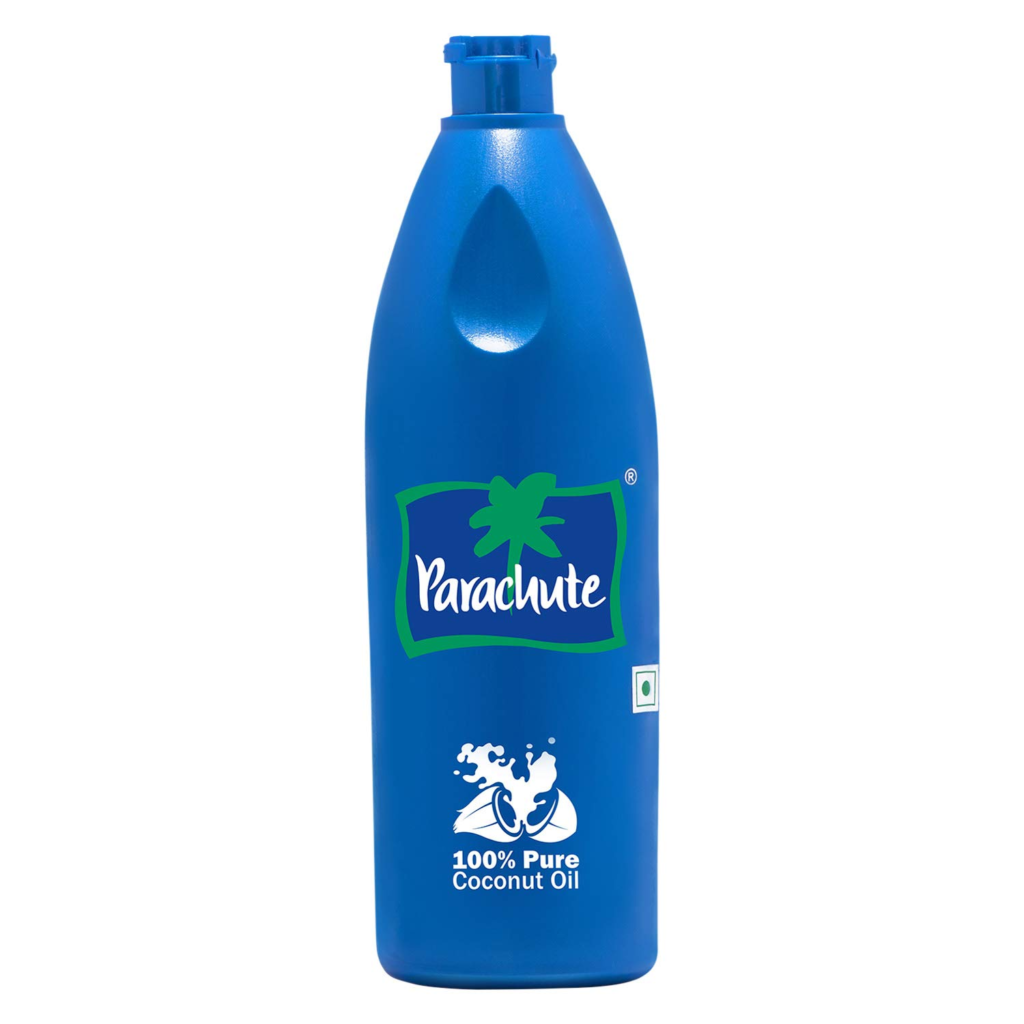
Oils I use:
- Coconut oil (for lengths)
- Castor oil (few drops for scalp)
- Argan oil (light nourishment)
I keep it for 1–2 hours, not overnight. This reduced dryness without making hair greasy.
5. Leave-In Conditioner & Serum
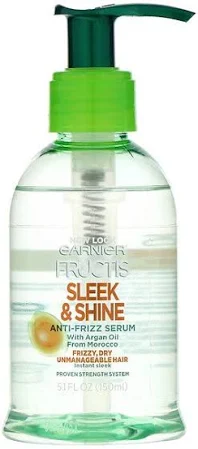
This step is essential for frizz control, especially in humid states.
After towel-drying my hair, I use:
- Leave-in conditioner (small amount)
- Lightweight serum or hair oil
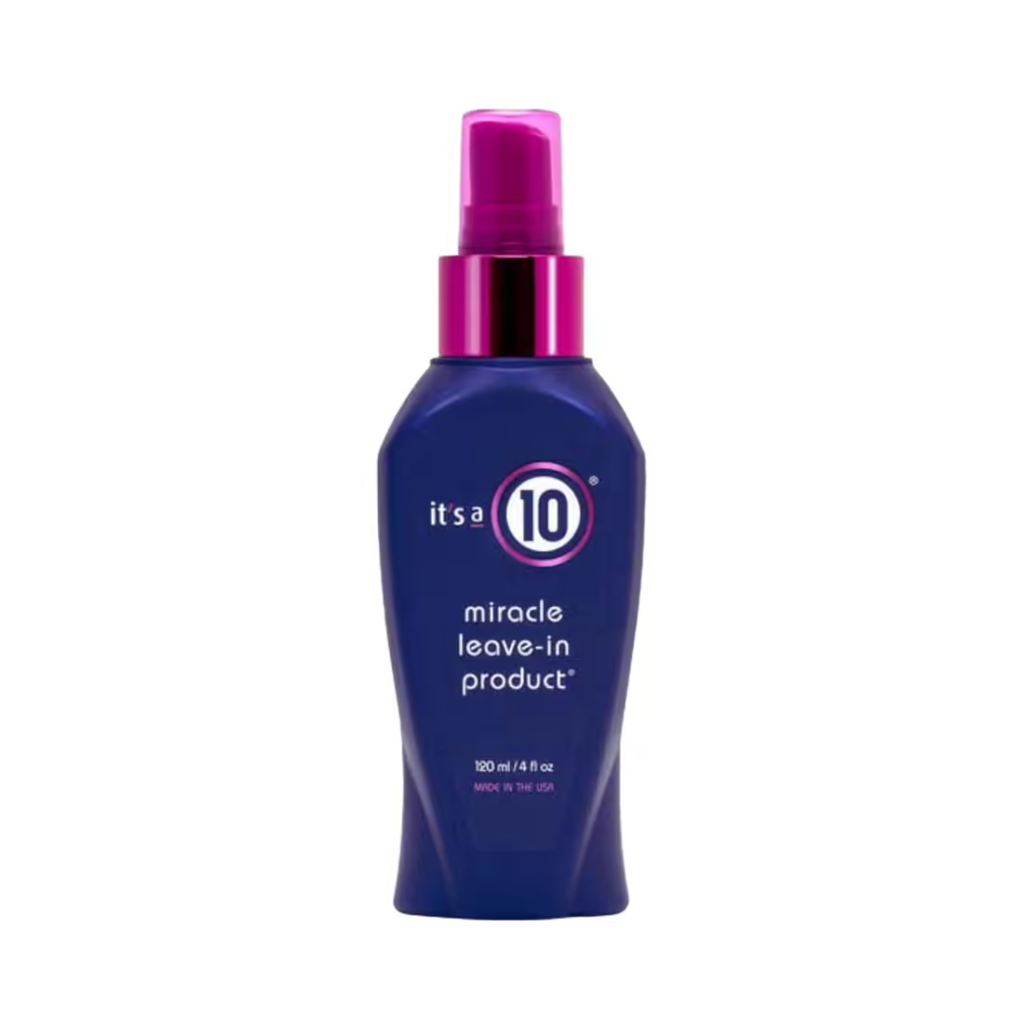
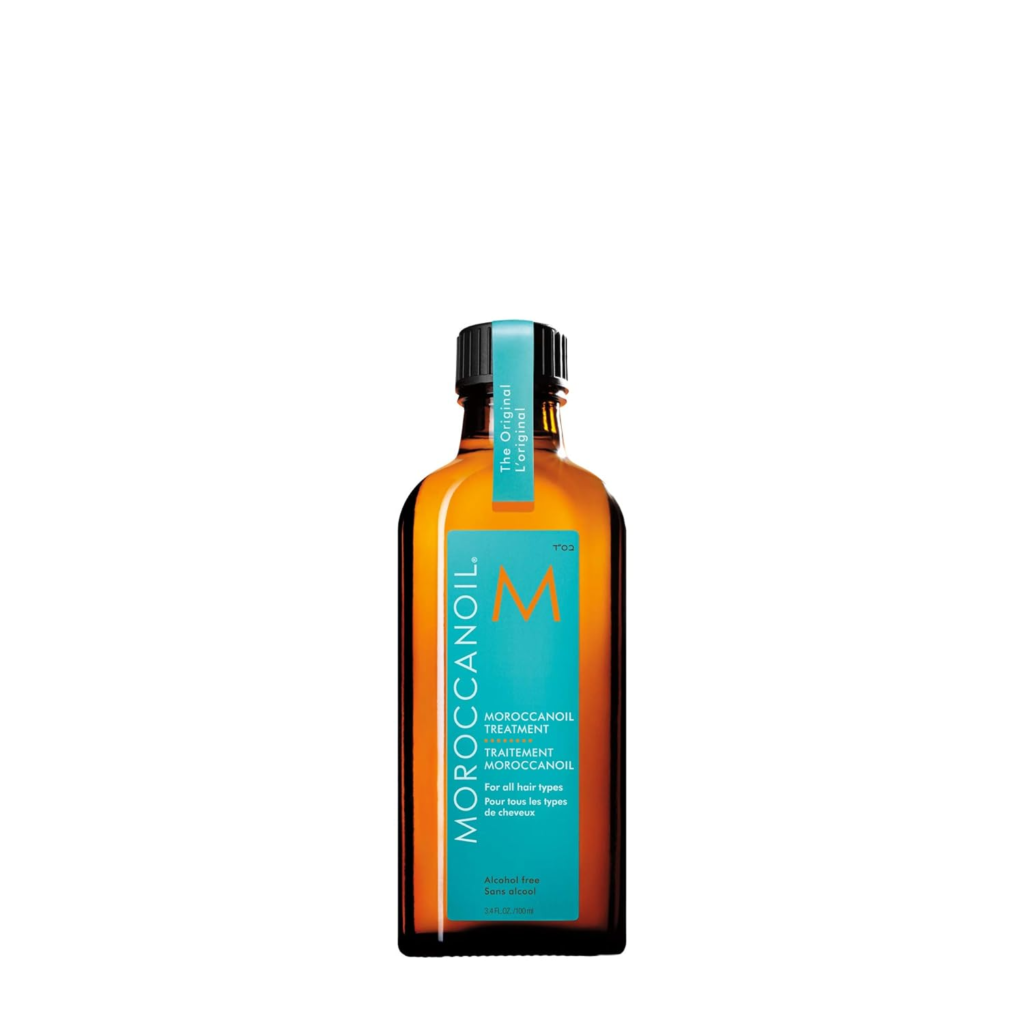
My favorites:
- It’s a 10 Miracle Leave-In
- Moroccanoil Treatment
- Garnier Sleek & Shine Serum
This protects hair from dryness, static, and breakage.
6. Heat Styling – Only When Needed
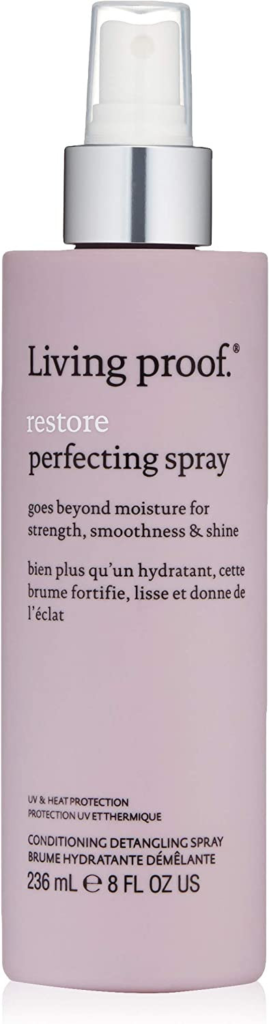
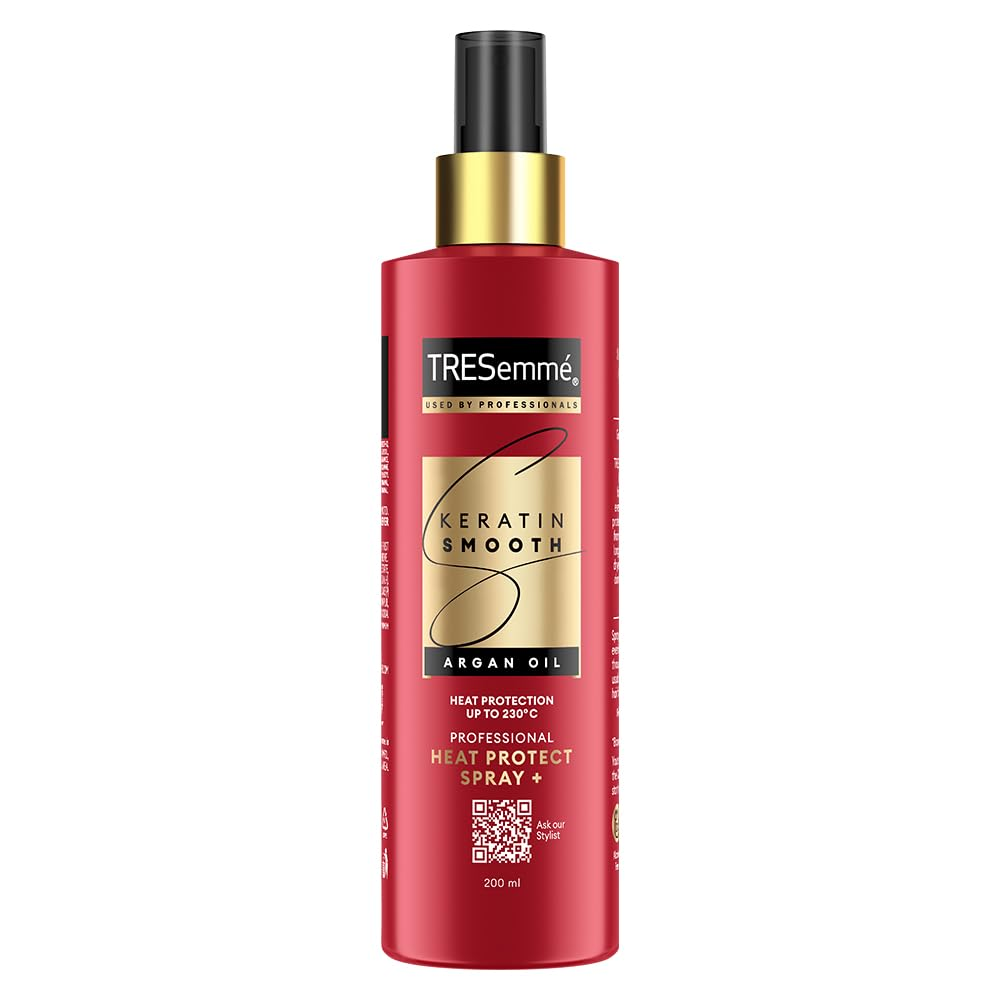
Earlier, I used straighteners and dryers regularly. Now I’ve learned that less heat = healthier hair.
- I air-dry my hair whenever possible
- Use heat styling max 1–2 times a week
- Always apply heat protectant
Heat protectants I trust:
- Tresemmé Heat Protection Spray
- Living Proof Restore Protect Spray
Since reducing heat, hair fall and split ends reduced a lot.
7. Scalp Care (Most Ignored but Most Important)
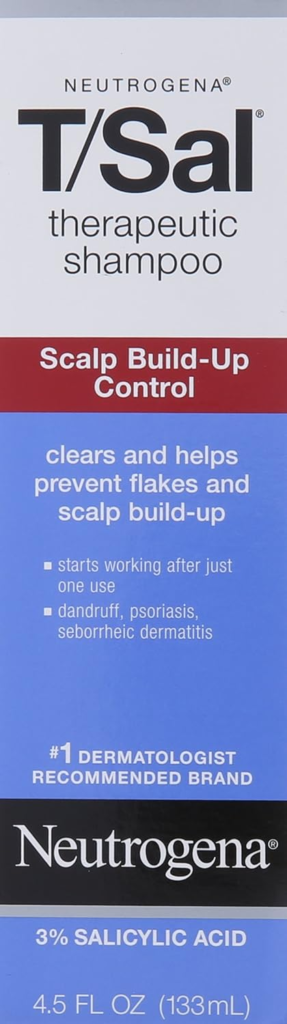
Healthy hair starts with a healthy scalp — something I ignored for years.
Once every 10–15 days, I use:
- Clarifying shampoo (to remove buildup)
- Scalp exfoliating scrub
Products I’ve tried:
- Neutrogena Anti-Residue Shampoo
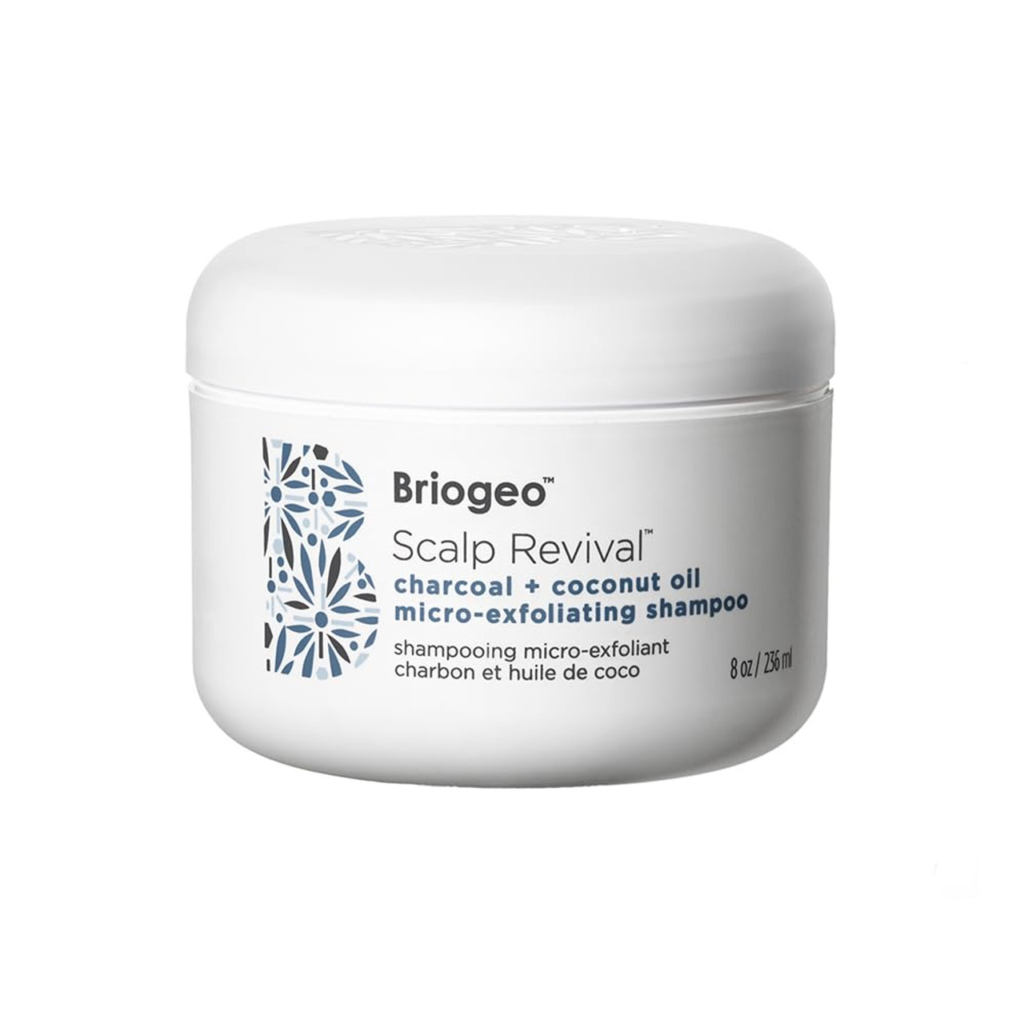
- Briogeo Scalp Revival Scrub
This helped reduce itchiness, flakes, and hair fall.
8. Seasonal Haircare Changes
USA climate changes fast, so your routine should change too.
Winter:
- More conditioning
- Less shampoo
- Use hair oils & masks more often
Summer:
- Lighter products
- Scalp cleansing
- Frizz control serums
Listening to seasons made a huge difference.
9. Nutrition & Water Intake (Underrated Step)
No routine works if your body lacks nourishment.
I noticed hair improved when I:
- Drank more water
- Ate nuts, fruits, protein-rich food
- Reduced junk and sugar
Haircare is not just external — it’s internal too.
Final Thoughts (From My Heart)
This routine didn’t give me “perfect Instagram hair,” but it gave me healthy, manageable, and happy hair. The biggest lesson I learned in the USA climate is — simple, consistent care beats expensive trends.
Haircare is personal. What worked for me may need small changes for you, and that’s okay. Start slow, observe your hair, and build a routine that fits your lifestyle, not social media.
You might also like
My Simple Skincare Routine That Actually Improved My Skin
What Beauty Looks Are Popular in the USA This Year
French Beauty Secrets: Tools That Made My Skin Look Better
Frequently Asked Questions (FAQ)
1. How often should I wash my hair in the USA climate?
I recommend washing 2–3 times a week with a gentle, sulfate-free shampoo. Over-washing can dry out hair, especially in cold or dry climates.
2. Can I use hair oil every day?
No, for most people, once a week is enough. Over-oiling can make hair greasy without adding extra benefits. Focus on scalp and mid-lengths for nourishment.
3. Are expensive shampoos necessary for healthy hair?
Not necessarily. What matters most is sulfate-free, moisturizing formulas that suit your hair type. Drugstore brands like OGX or L’Oréal can work as well as luxury brands.
4. Do I need a hair mask every week?
Yes, weekly deep conditioning helps restore moisture, especially in dry winters or after heat styling. Hair masks prevent dryness, frizz, and breakage.
5. How can I reduce frizz in humid US summers?
Use leave-in conditioners and lightweight serums after towel-drying. Avoid over-washing and minimize heat styling. Products with argan oil or silicone-based serums work well.
This blog is based on my personal experience with haircare. Results may vary depending on hair type, scalp condition, lifestyle, and climate. This content is for informational purposes only and is not medical or professional advice.
#HaircareRoutine #HealthyHair #USAHaircare #HaircareTips #RealHaircare #PersonalHaircare #HaircareJourney #ScalpCare #DryHairSolutions #FrizzFreeHair #ClimateBasedHaircare #SelfCareRoutine #EverydayHaircare #NaturalHairCare #HaircareBlog #Carrerbook #Anslation